GST on Corporate Gifts in India:
Rules + 10 Tax-Smart Gift Ideas (2026)
GST on corporate gifts confuses even experienced finance teams: when is a gift a "supply", and can you claim the credit back? Here are the rules in plain English - the ₹50,000 employee threshold, the ITC block, and what they mean for your gifting budget - followed by 10 gift ideas that keep things simple.


GST on corporate gifts has two key rules: gifts to an employee totalling up to ₹50,000 per employee per financial year are not treated as a supply under Schedule I of the CGST Act, and input tax credit on goods given as gifts - to employees or clients - is blocked under Section 17(5)(h). So the GST paid on gift purchases is a real, non-recoverable cost.
- 200+ corporate clients invoiced GST-compliantly
- 50,000+ gifts delivered since 2019
- Itemised, HSN-coded invoices on every order
- Quote within 4 hours, MOQ 25 units
- General information only - not tax advice
GST on Corporate Gifts: 5 Rules Every Buyer Should Know
Five rules cover nearly every corporate gifting decision. Understand these before you set your corporate gifting budget - because the ITC block changes what a gift really costs.
This guide is general information, not tax advice - confirm treatment with your chartered accountant.
10 Tax-Smart Corporate Gift Ideas
Ideas that keep per-employee values modest, records simple, and recipients happy. Most sit in the same range as our corporate gifts under ₹500 picks.
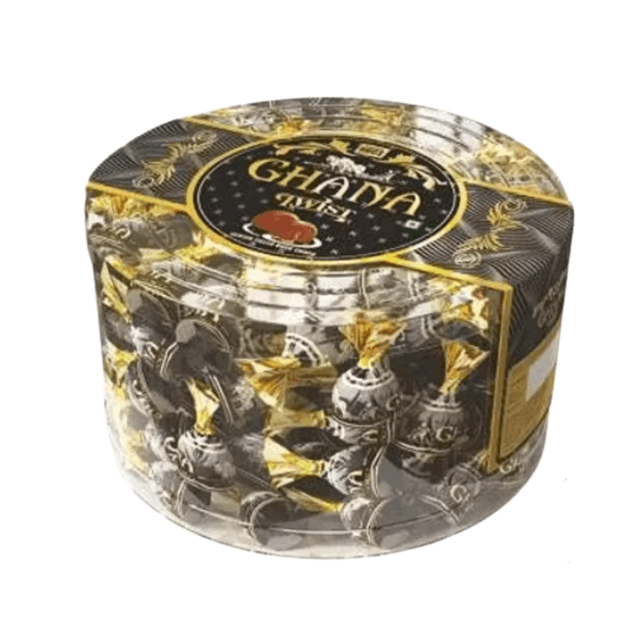
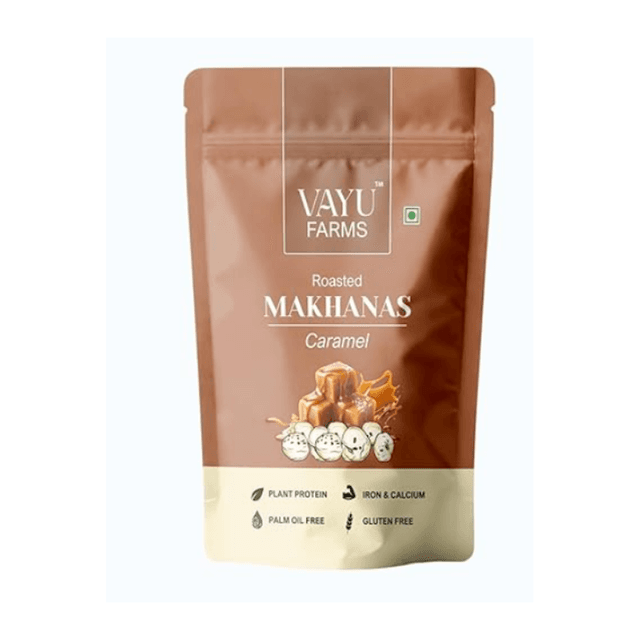
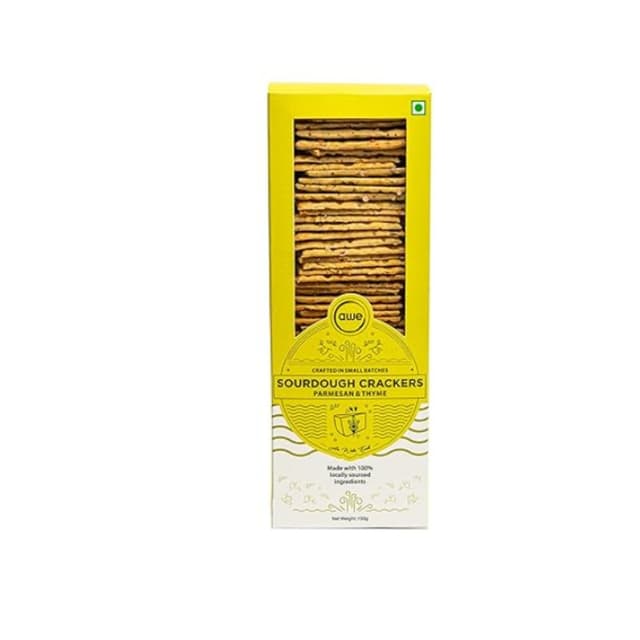
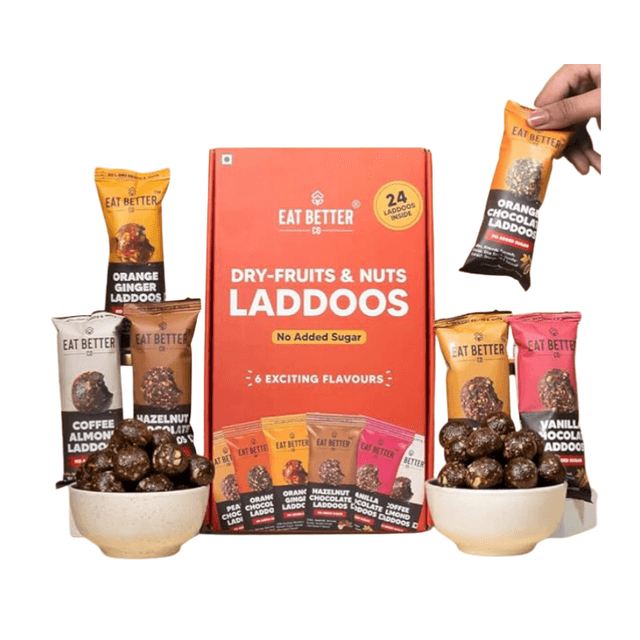
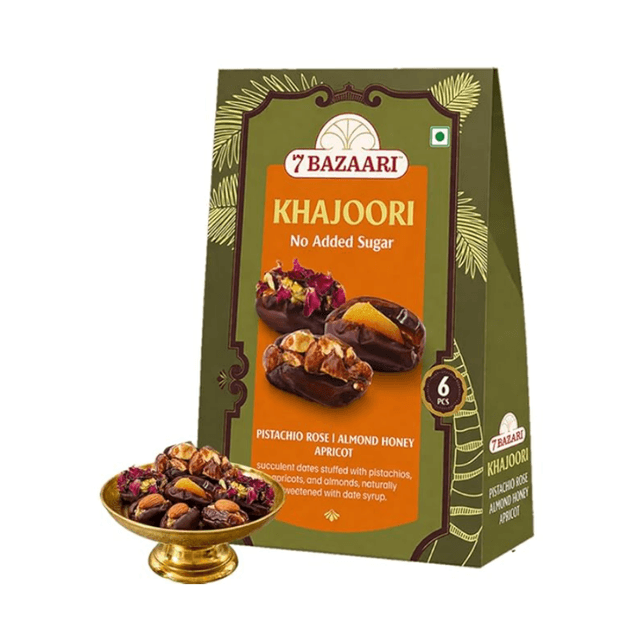
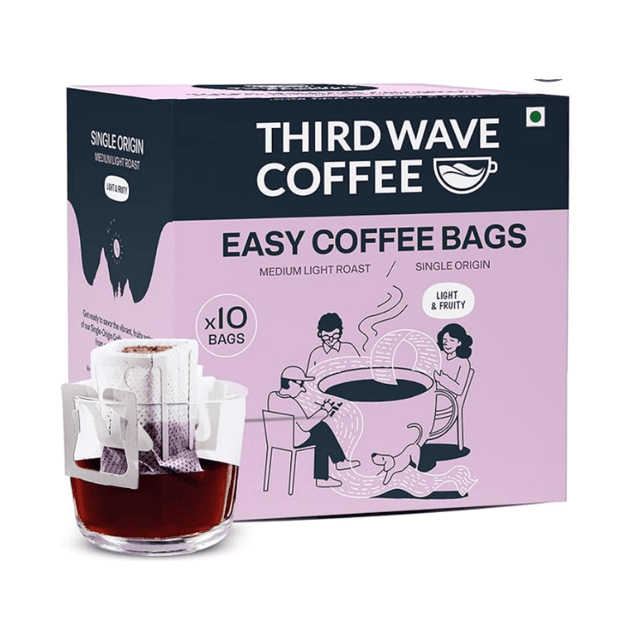
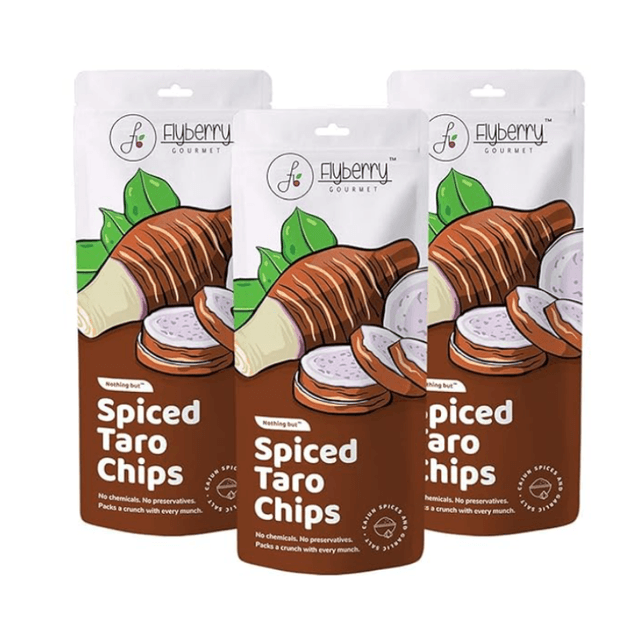
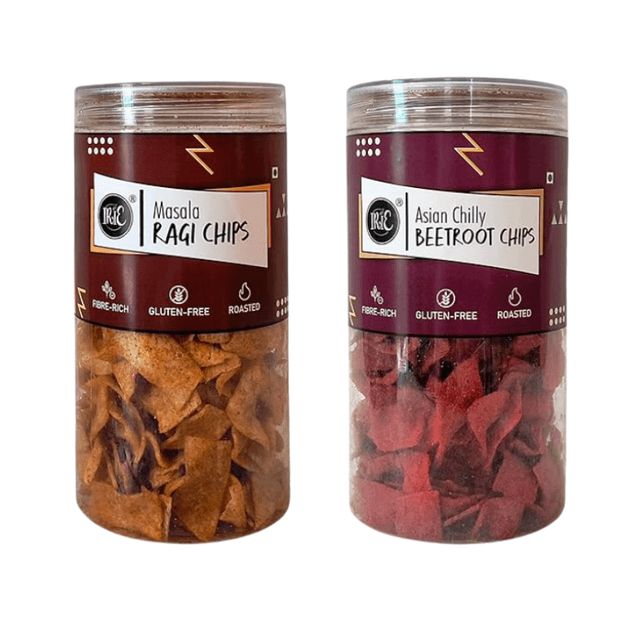
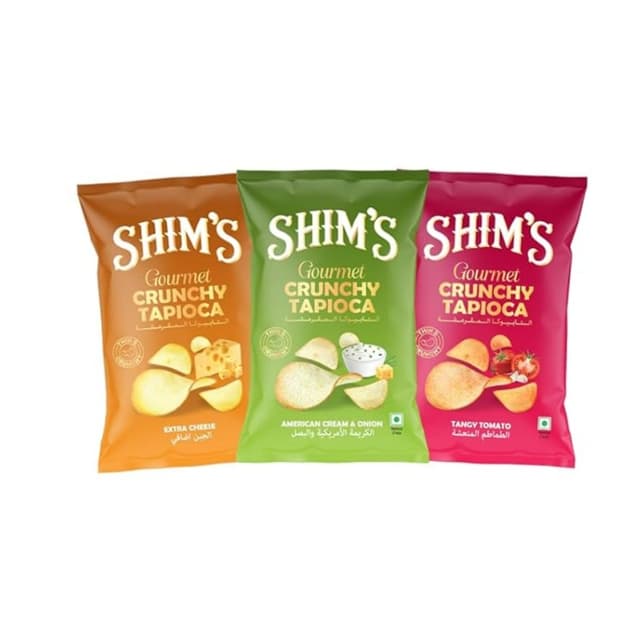
Consumables at modest per-unit values keep per-employee gift totals comfortably low for the year while still landing well at Diwali or year-end.
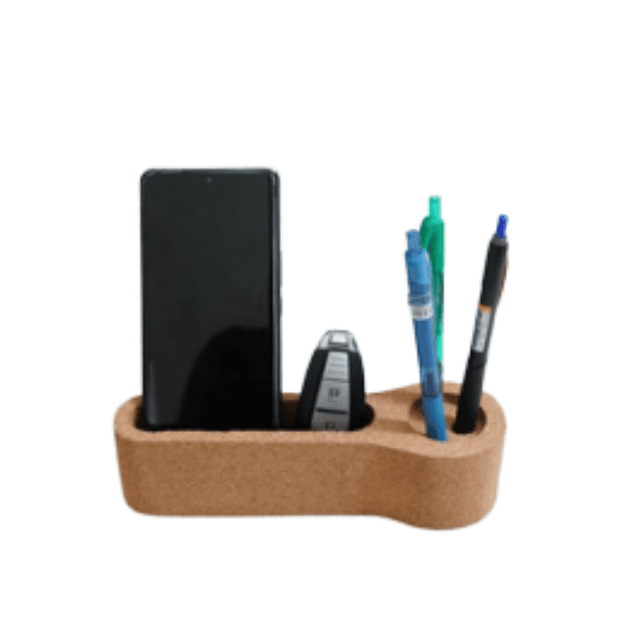
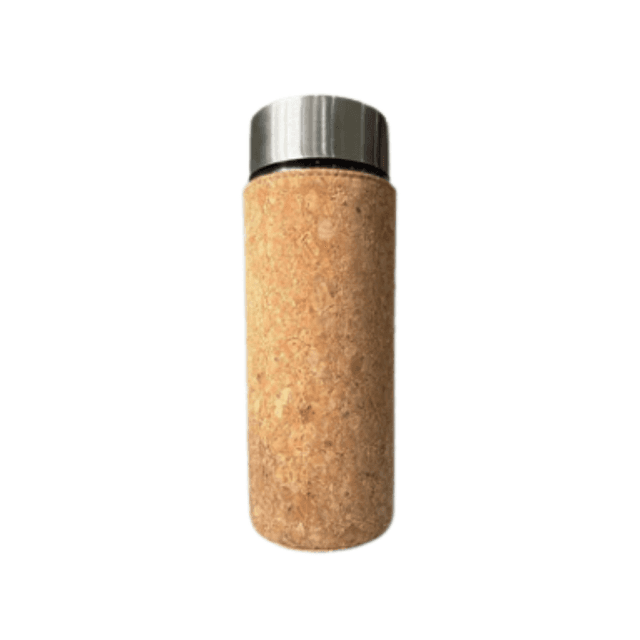
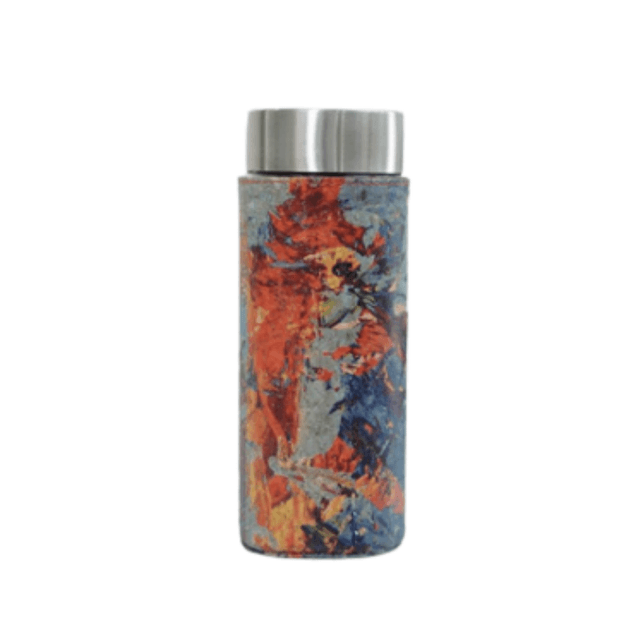
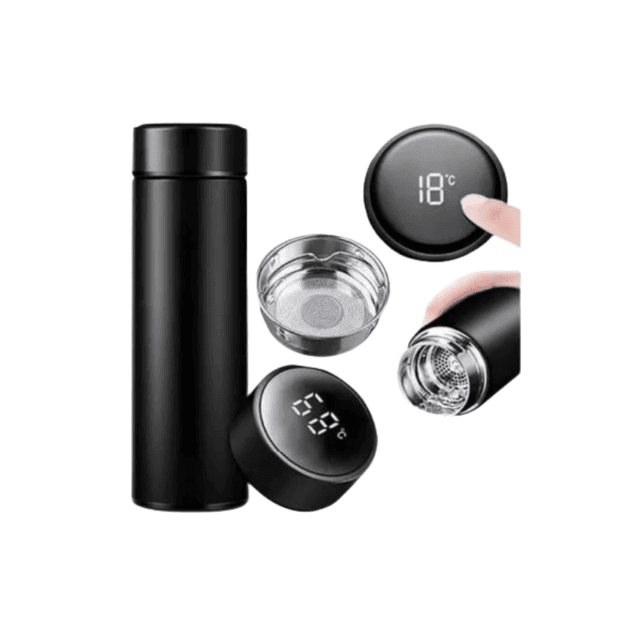
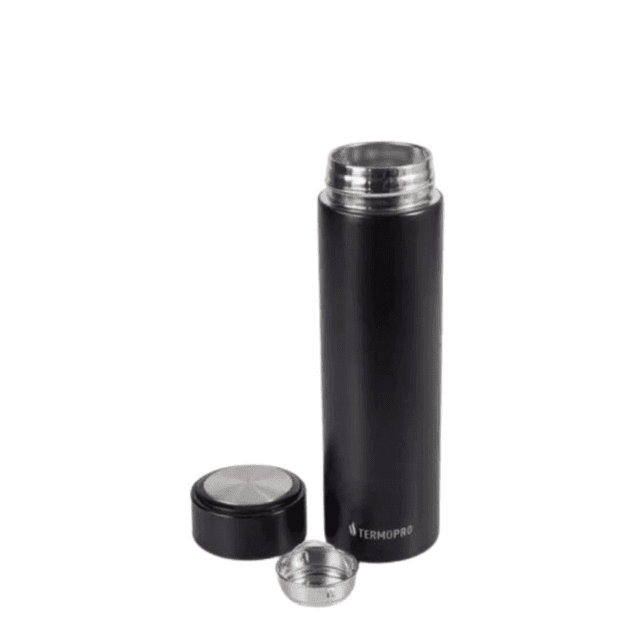
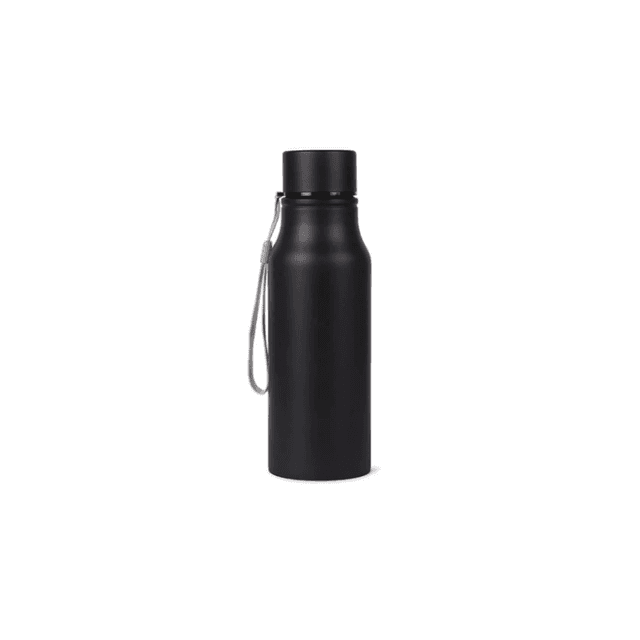
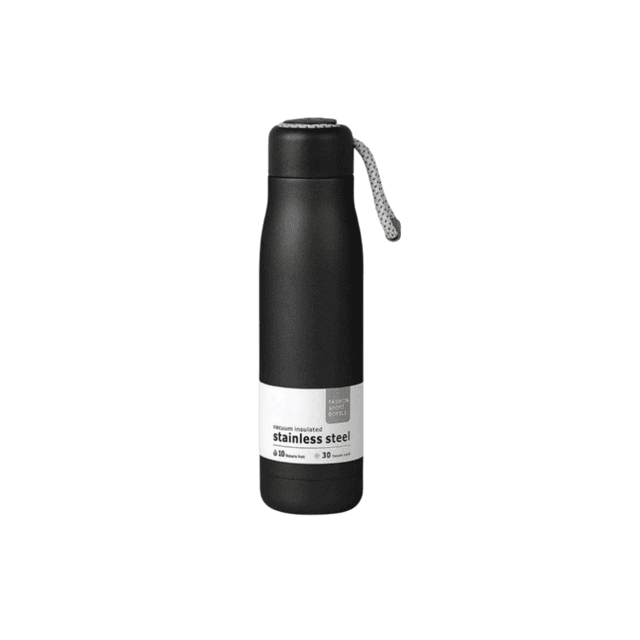
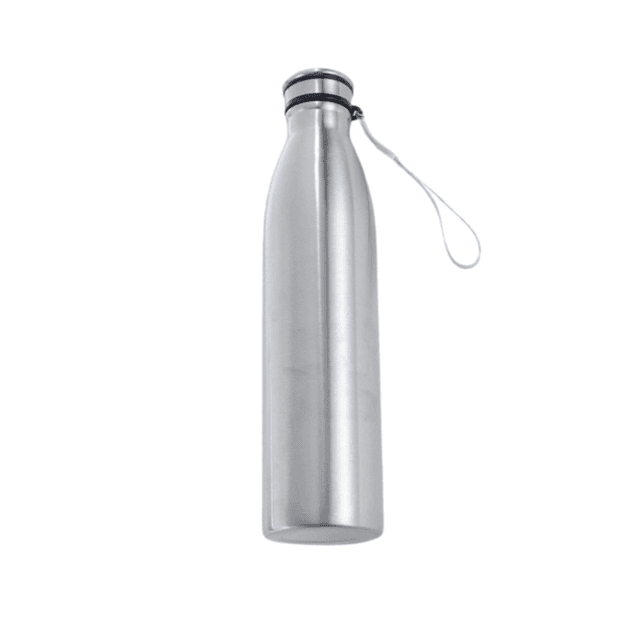
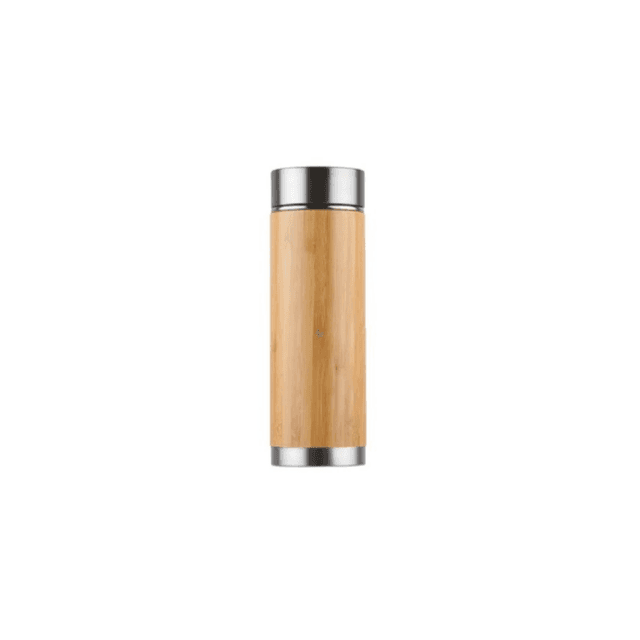
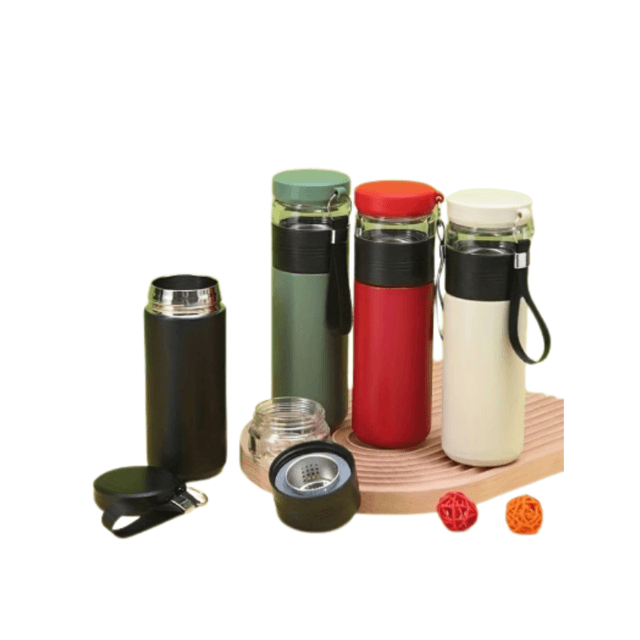
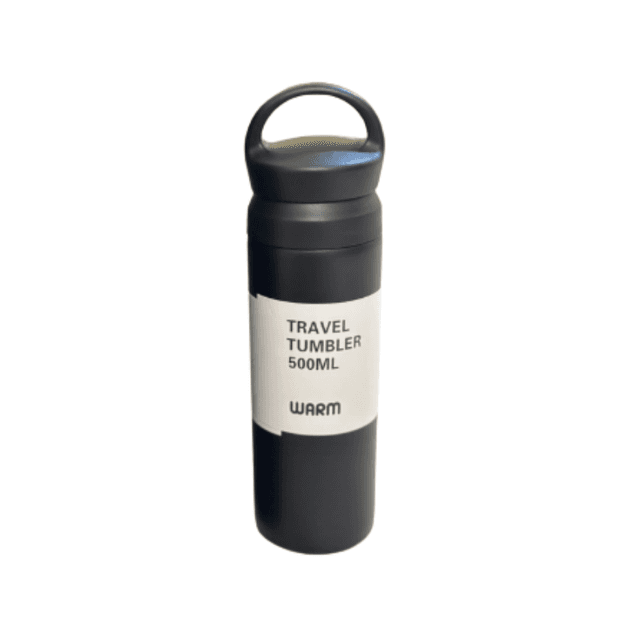
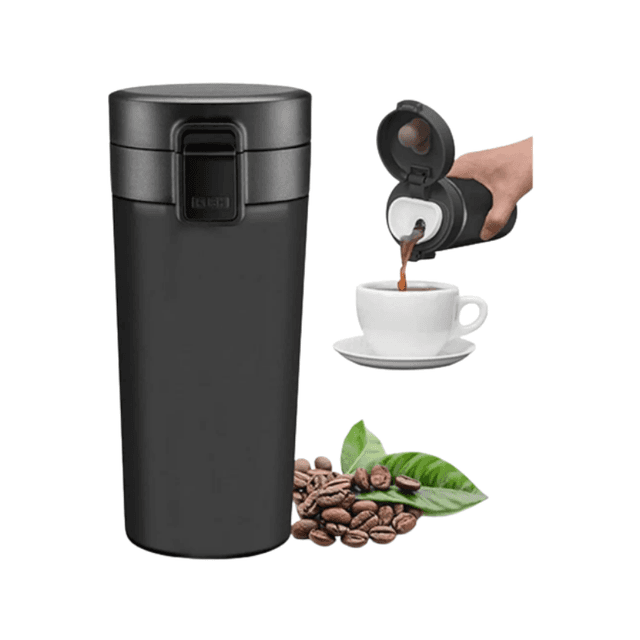
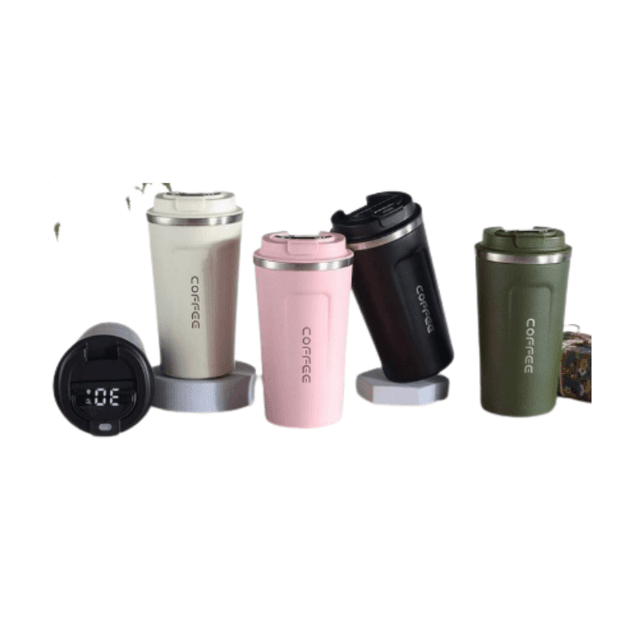
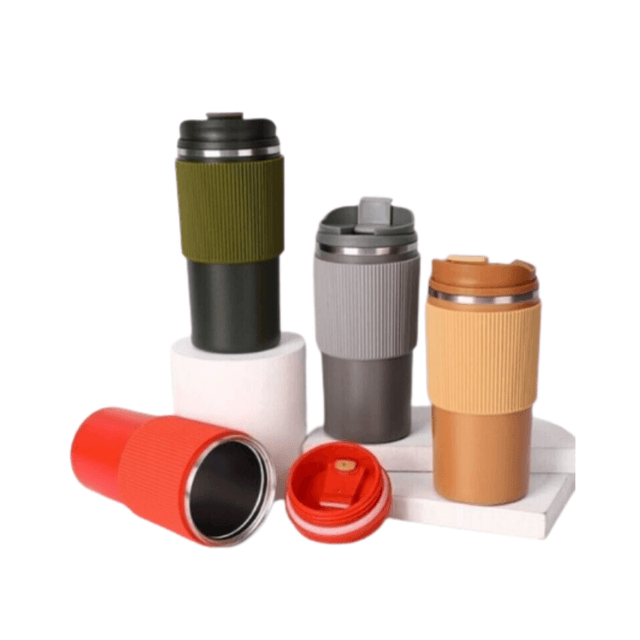
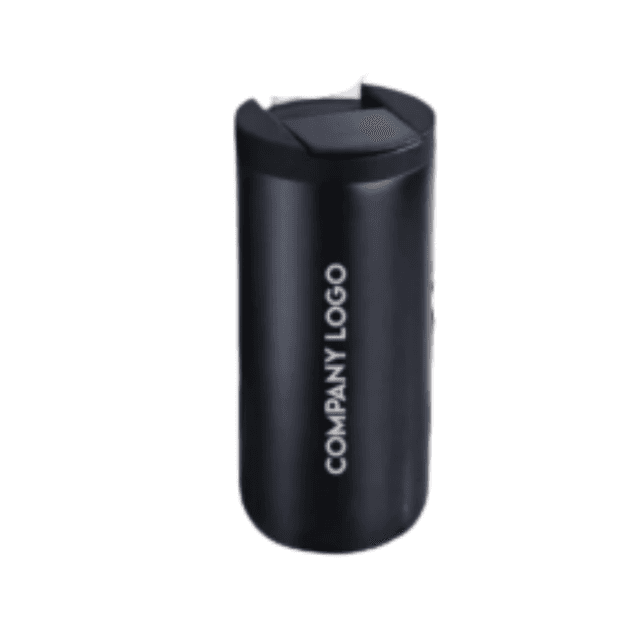
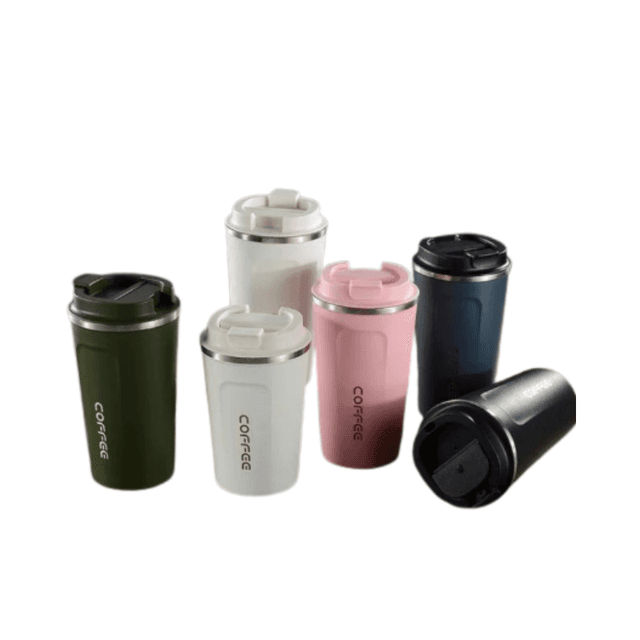
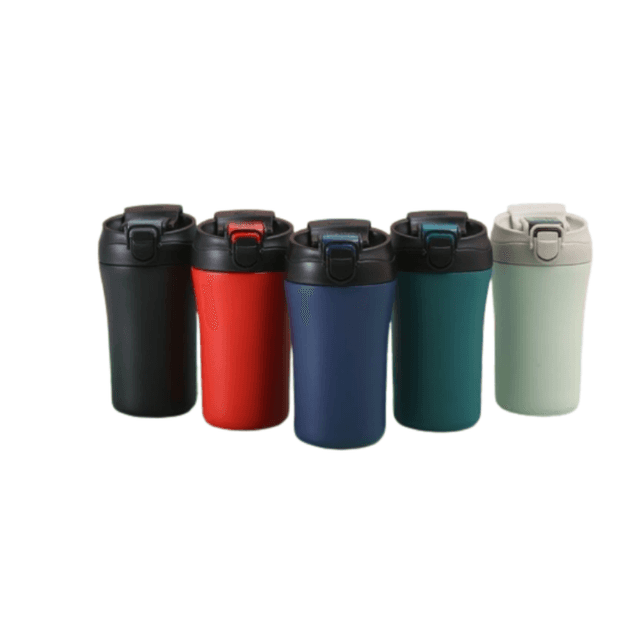
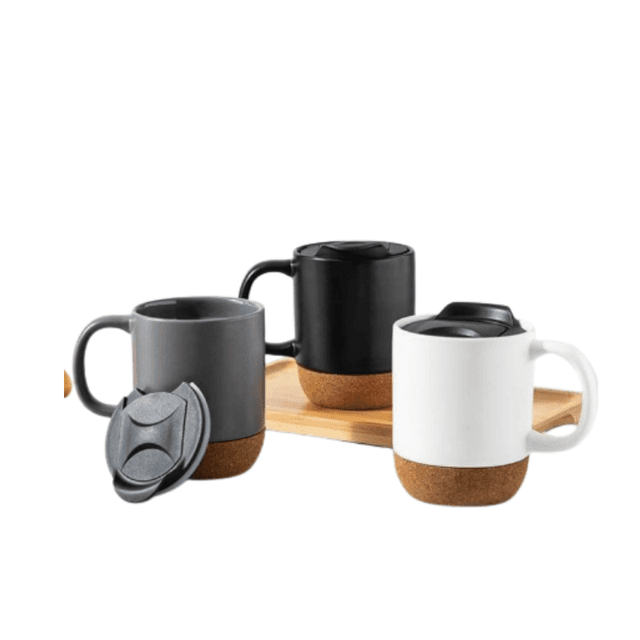
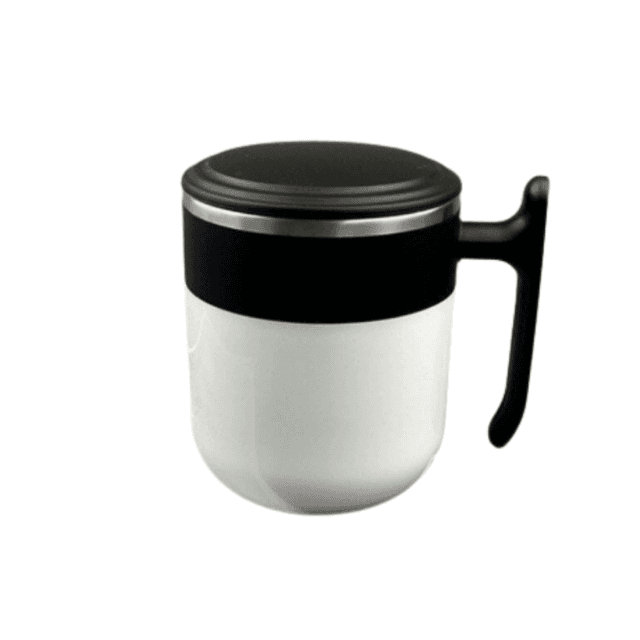
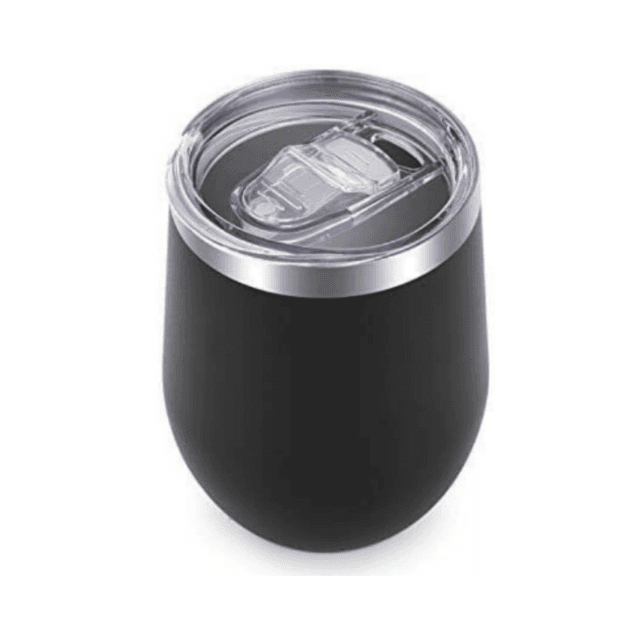
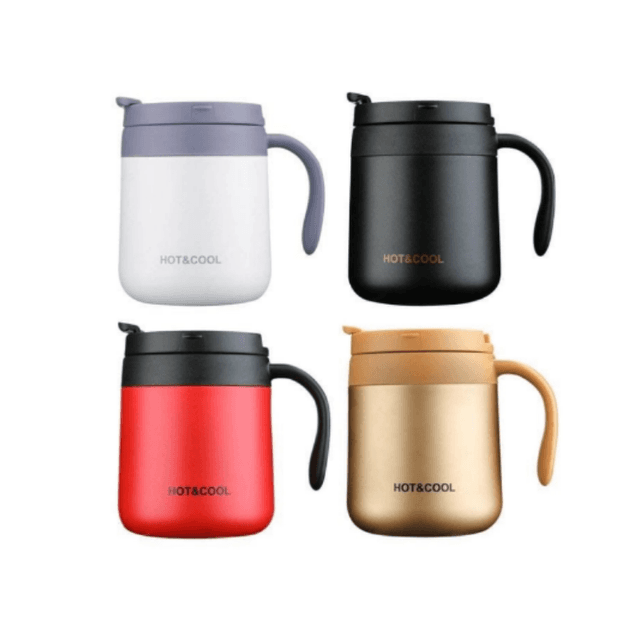
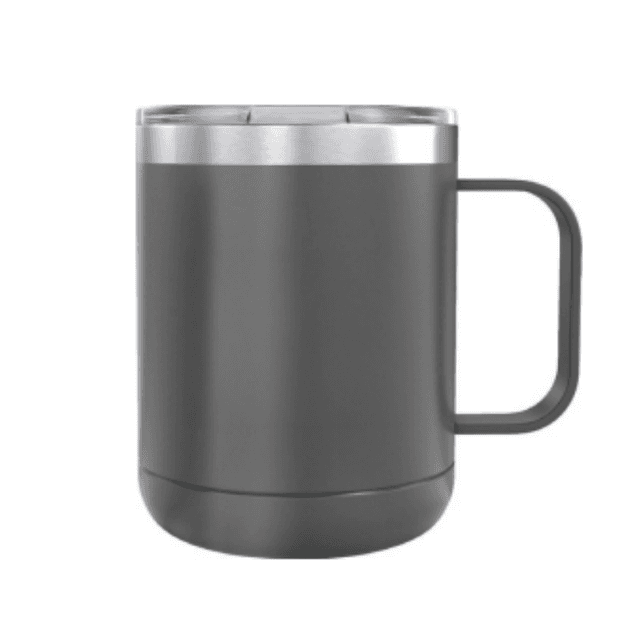
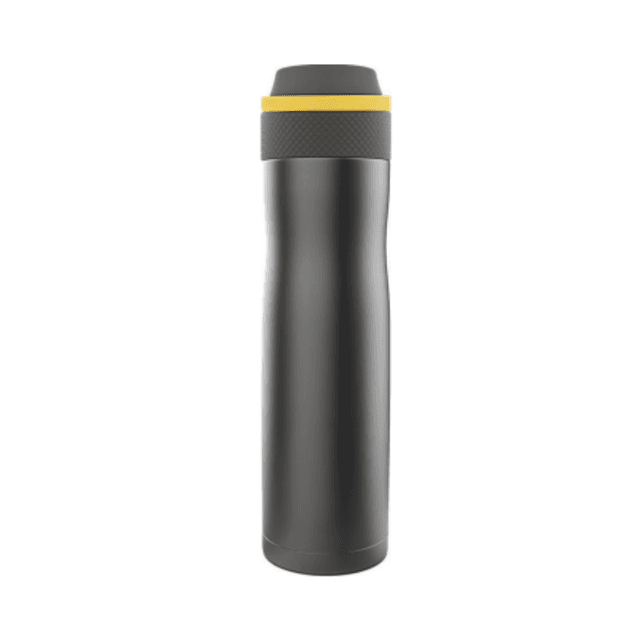
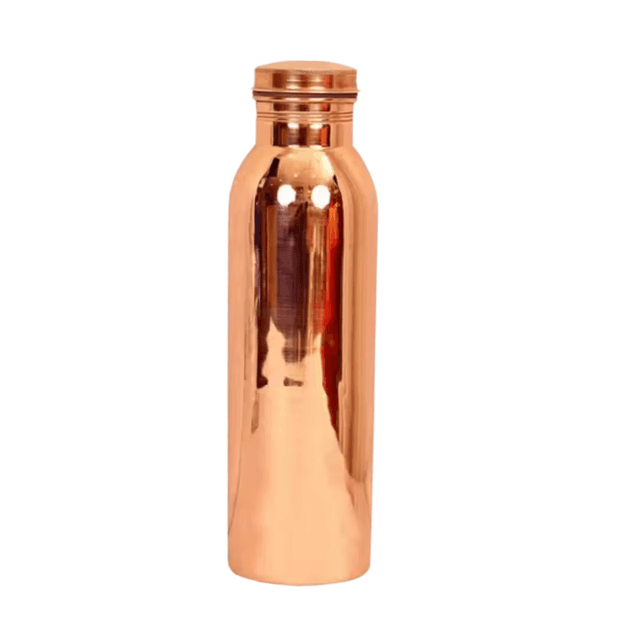
Bottles and mugs are the workhorse corporate gift: useful, brandable, and inexpensive enough that even quarterly gifting stays far from any threshold.
A curated under-₹500 gift (see our corporate gifts under ₹500 guide) proves budget and thoughtfulness are not opposites - and keeps registers simple.
Four smaller recognition moments often beat one large year-end gift - for morale and for keeping cumulative per-employee value modest and well-documented.
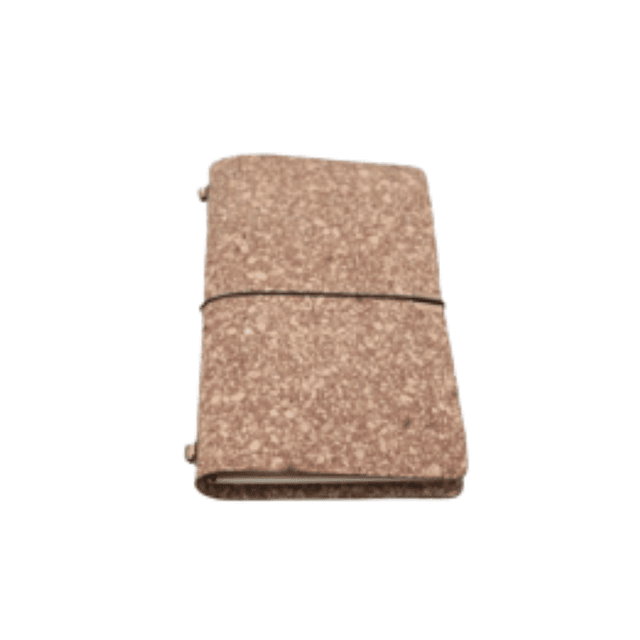
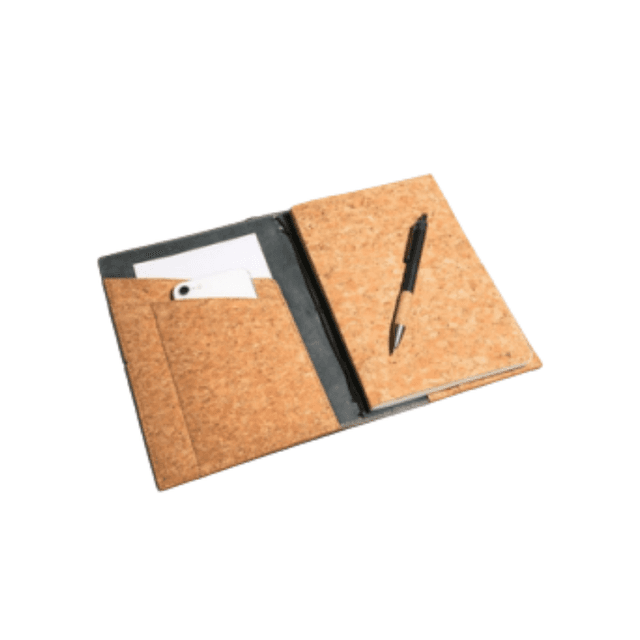
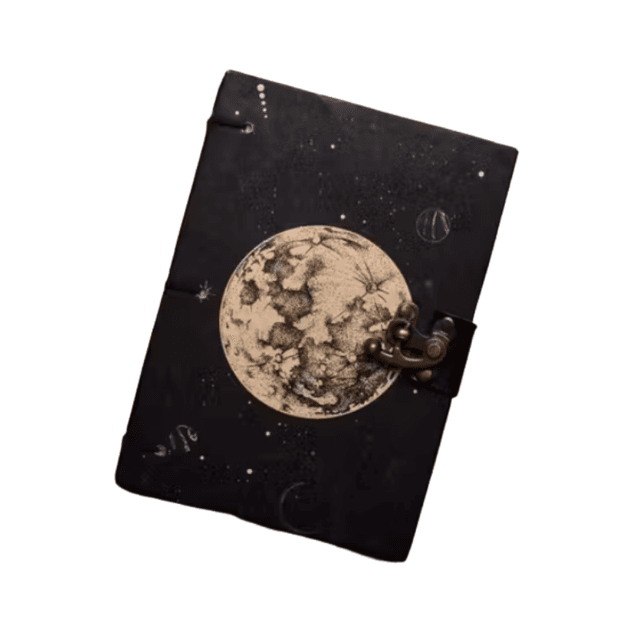
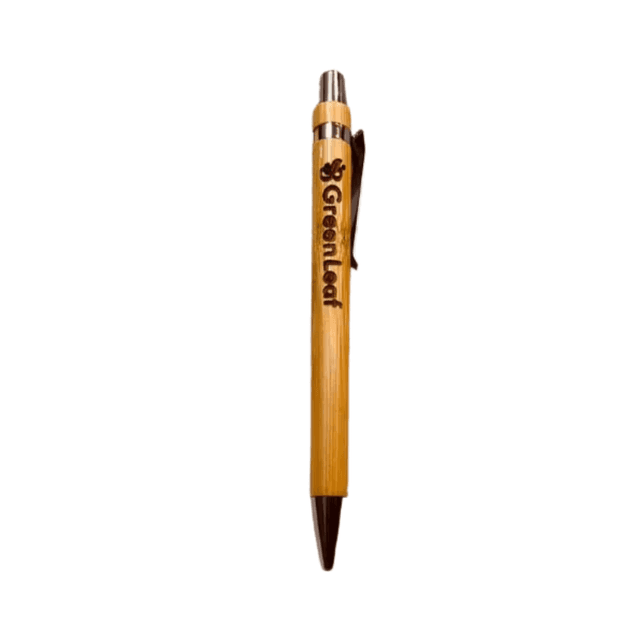
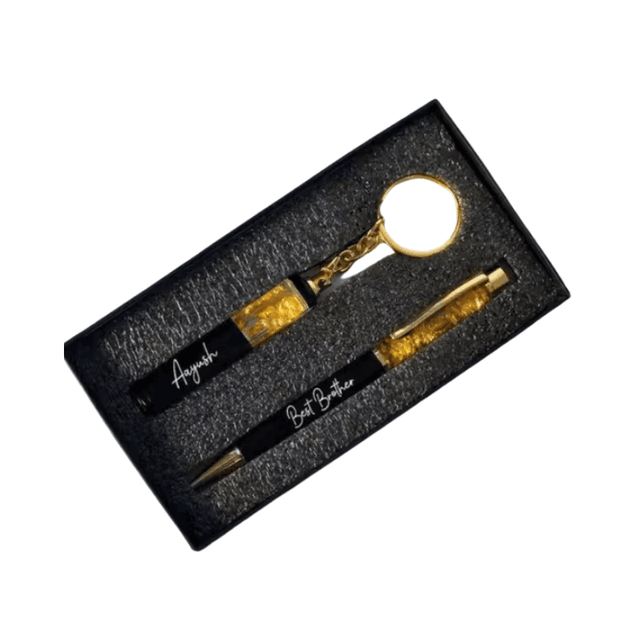
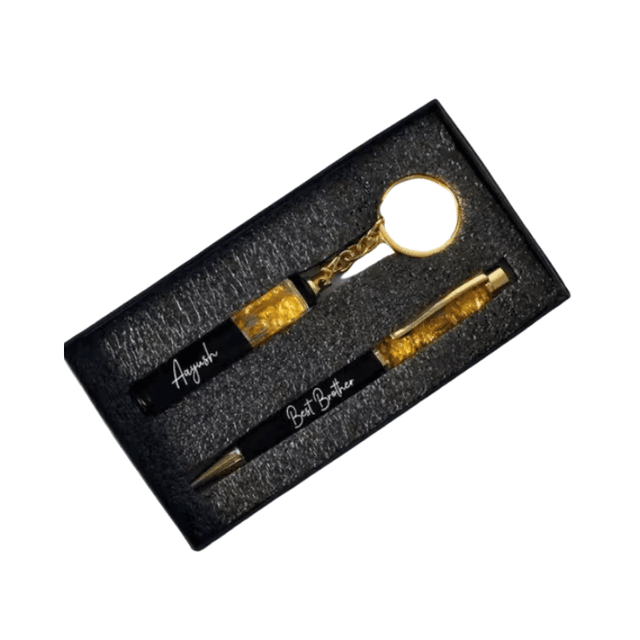
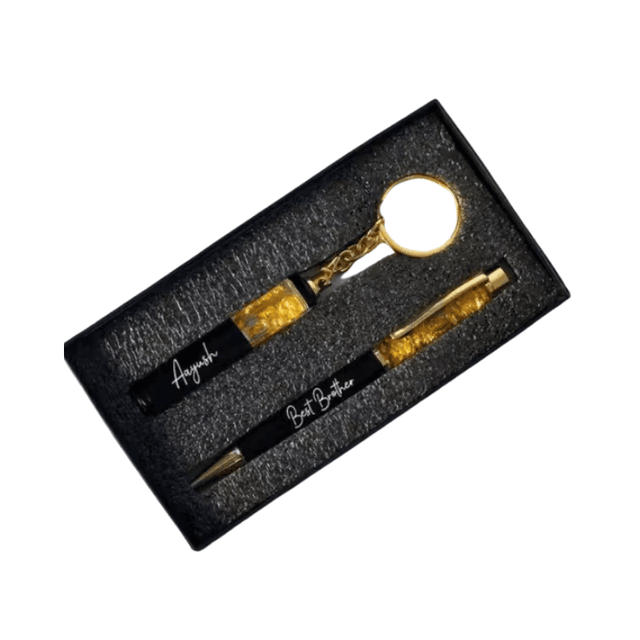
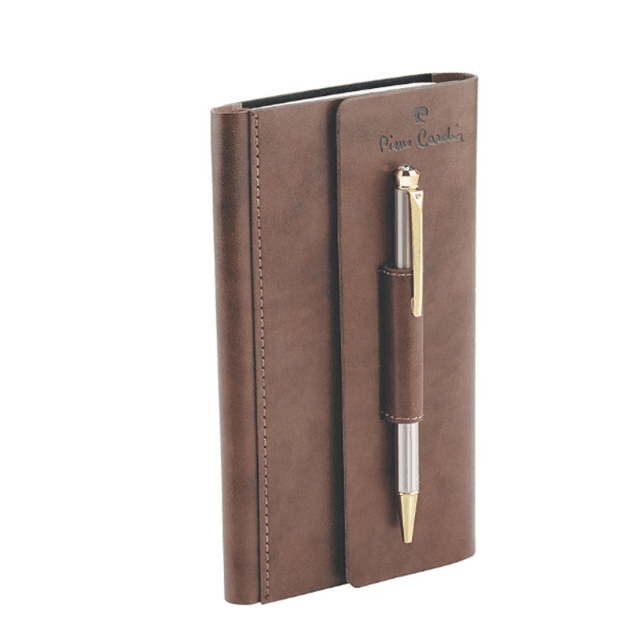
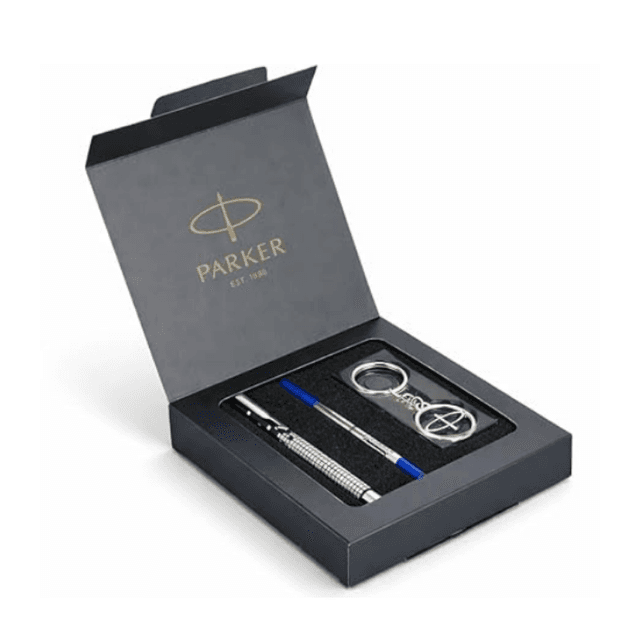
Notebooks and pen sets with name personalisation feel premium at low unit cost. High perceived value per rupee is the tax-smart gifter's best friend.
Low-cost, high-warmth, and universally office-appropriate. A plant plus a handwritten note is one of the best value-to-cost ratios in gifting.
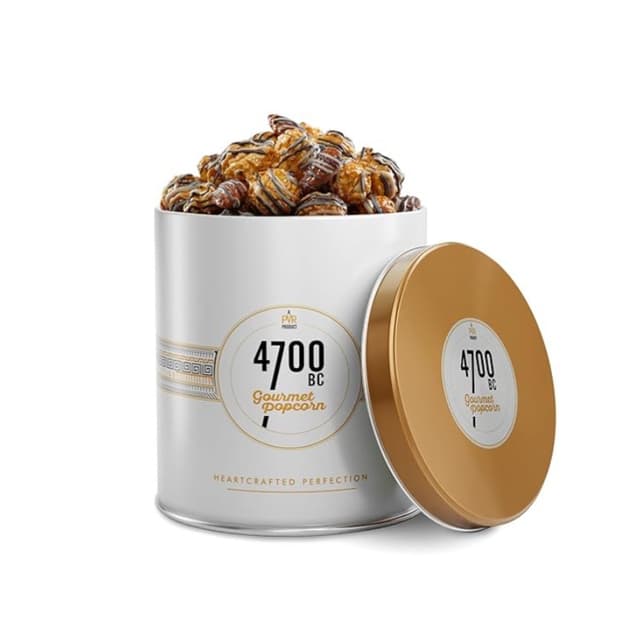
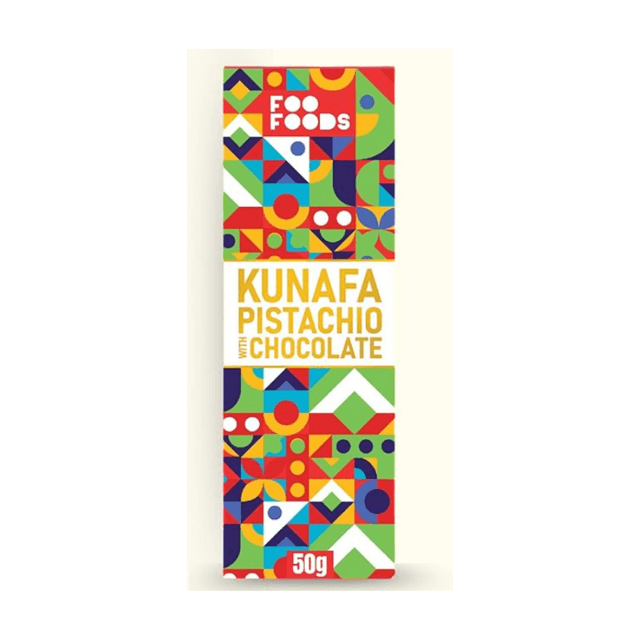
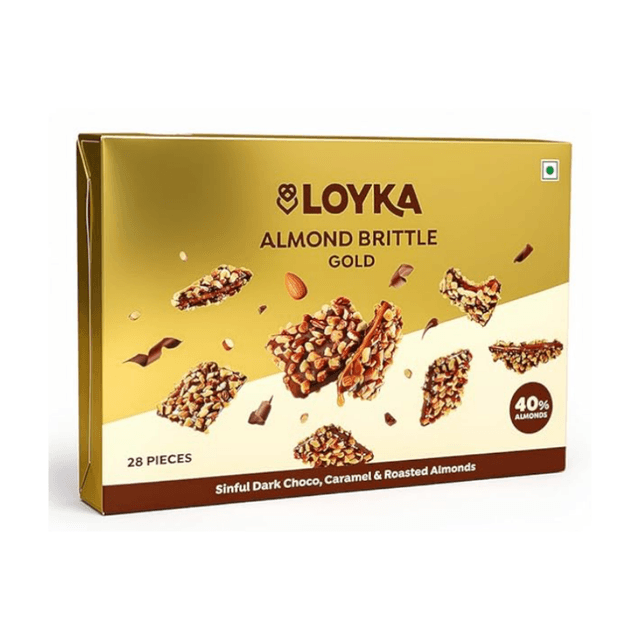
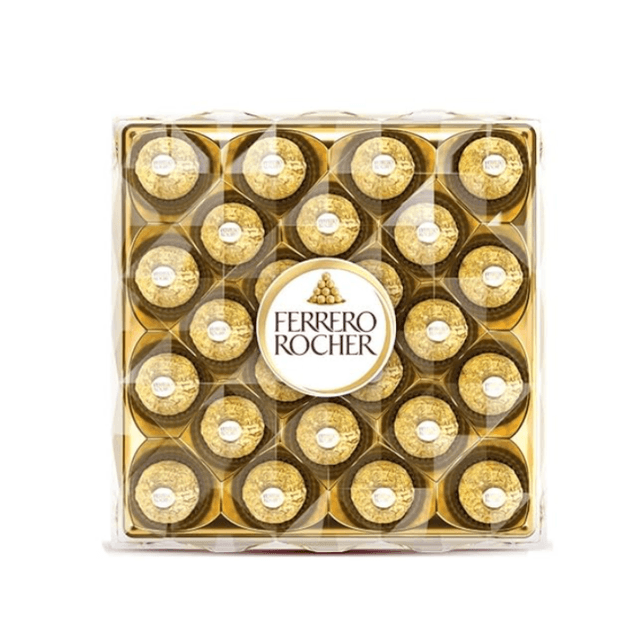
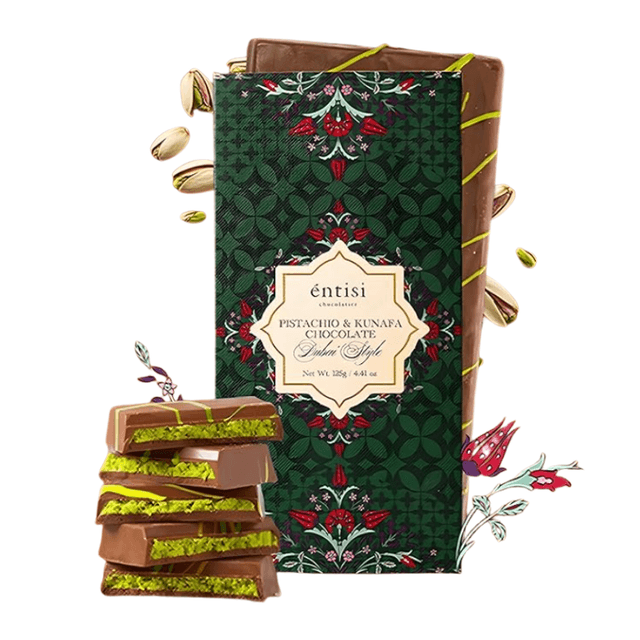
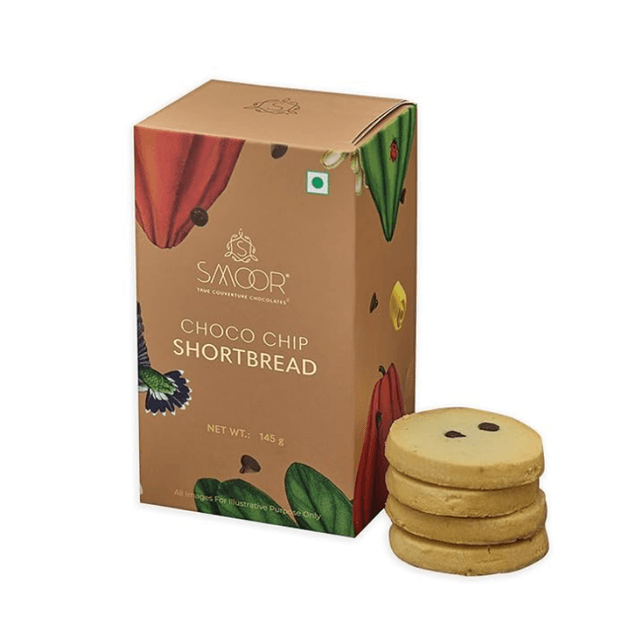
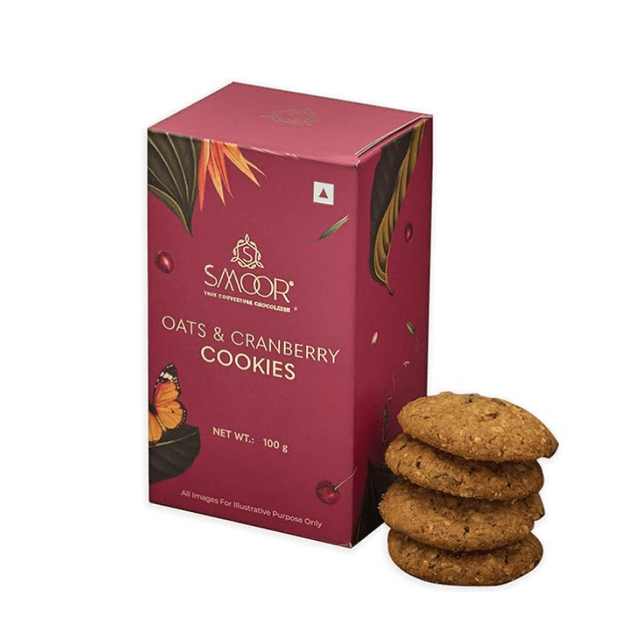
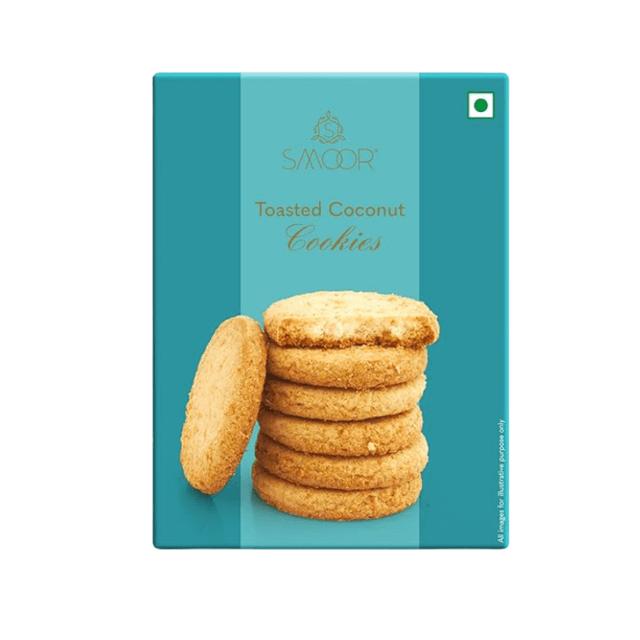
Festive sweets and regional specialities are consumed, appreciated, and modestly priced - the classic Diwali choice for a reason.
One hamper shared by a pod spreads the value across several people while creating a shared moment - efficient on both budget and logistics.
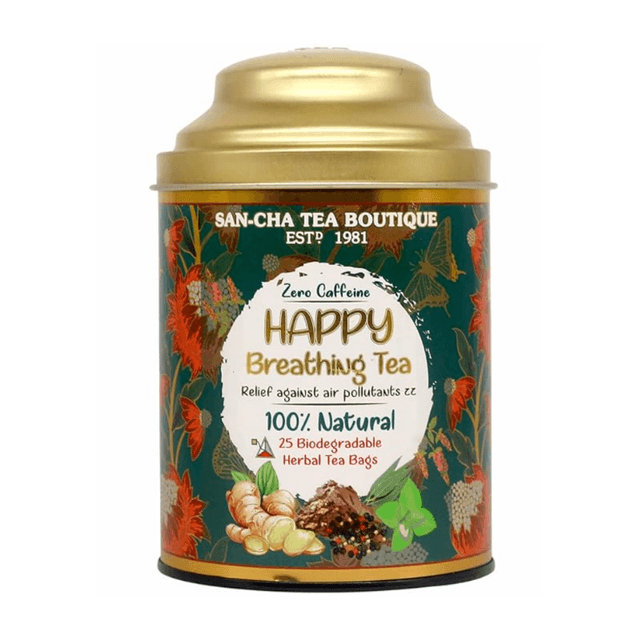
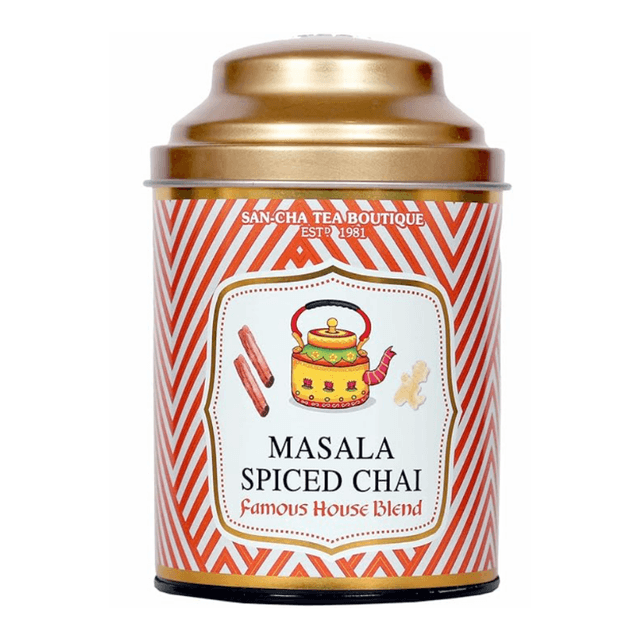
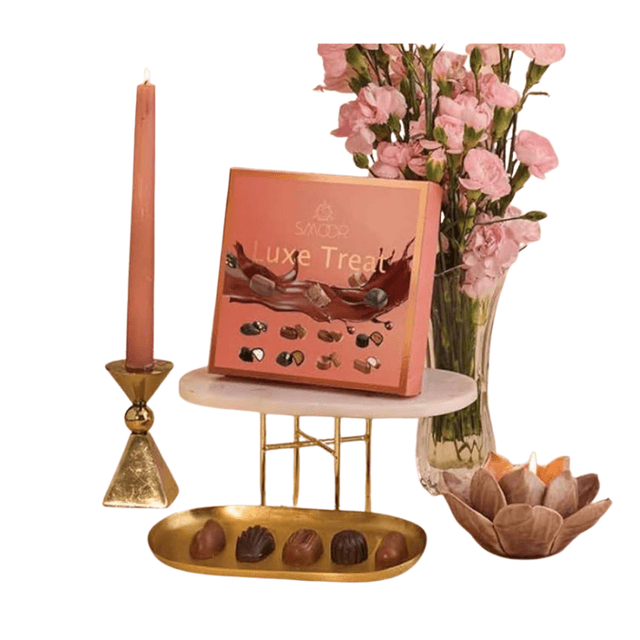
Self-care kits with teas, candles, or wellness items stay in the mid-budget band and suit appreciation programmes that run all year.
The smartest 'idea' costs nothing: a spreadsheet tracking cumulative gift value per employee per financial year, so the ₹50,000 Schedule I threshold is never an accidental surprise.
Corporate Gifts With GST-Compliant Invoicing
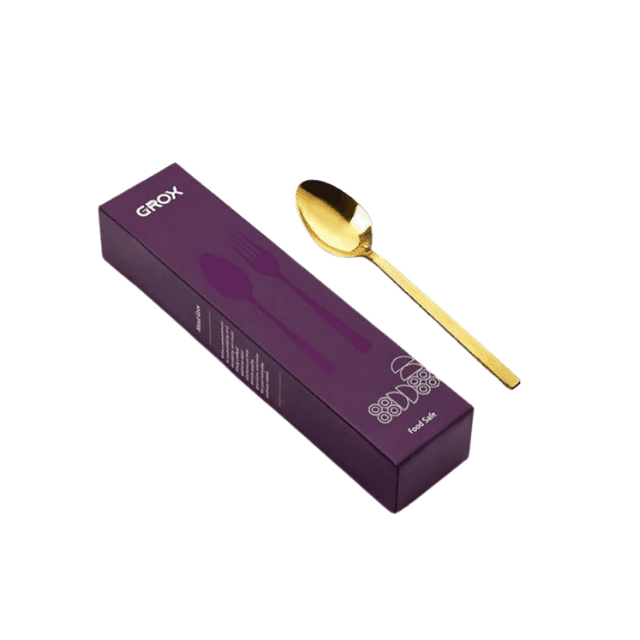
Every order ships with an itemised, HSN-coded GST invoice - filter by price to stay within your per-employee band.













.png&w=640&q=75)






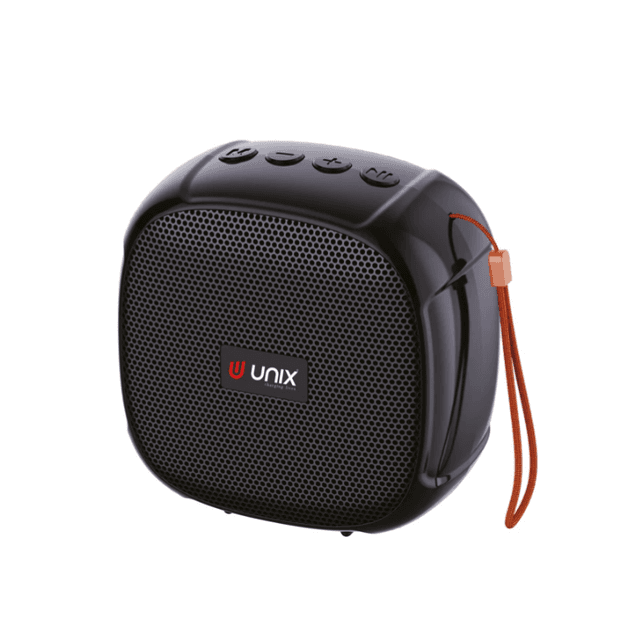

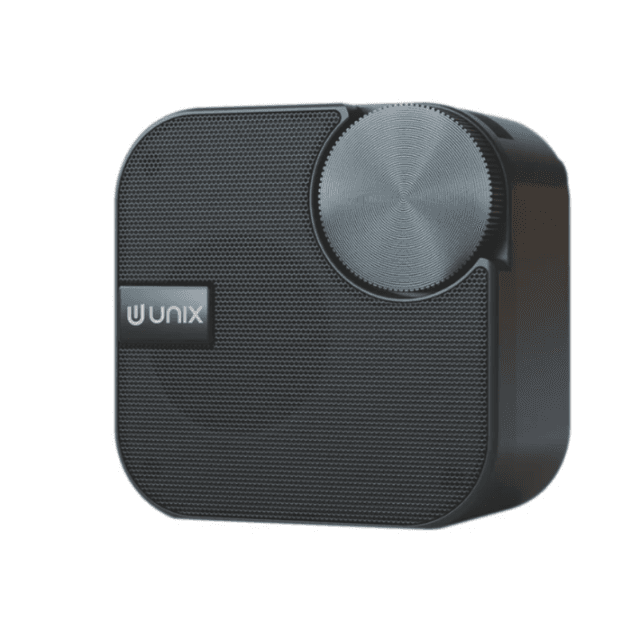
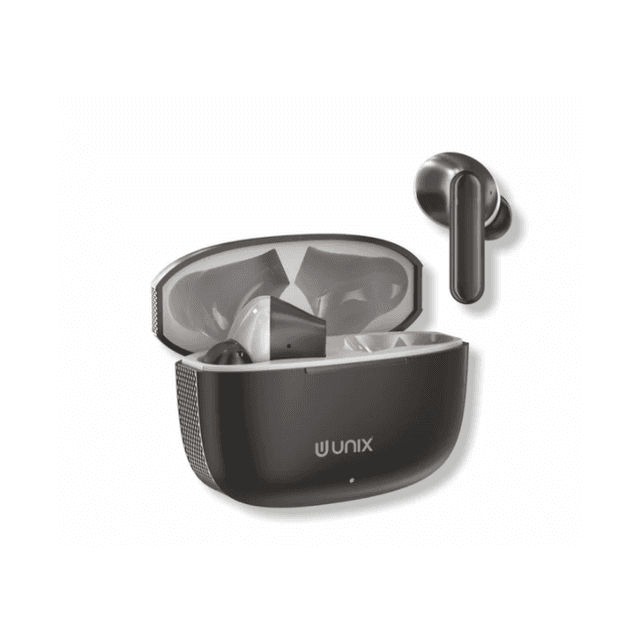
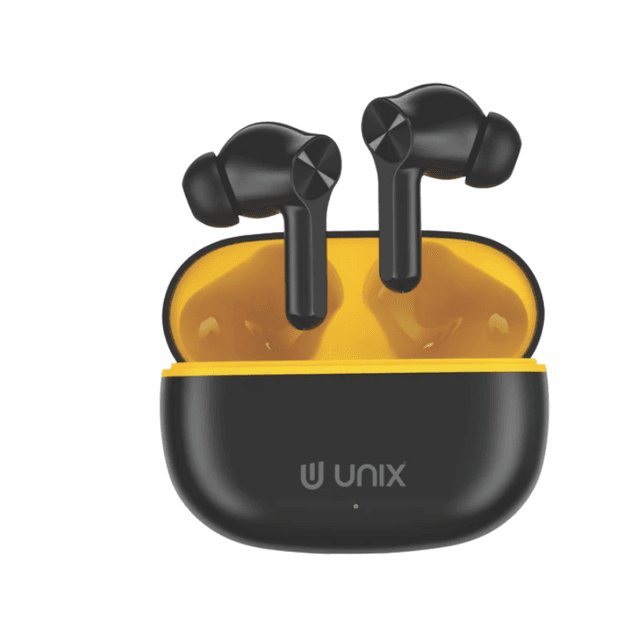
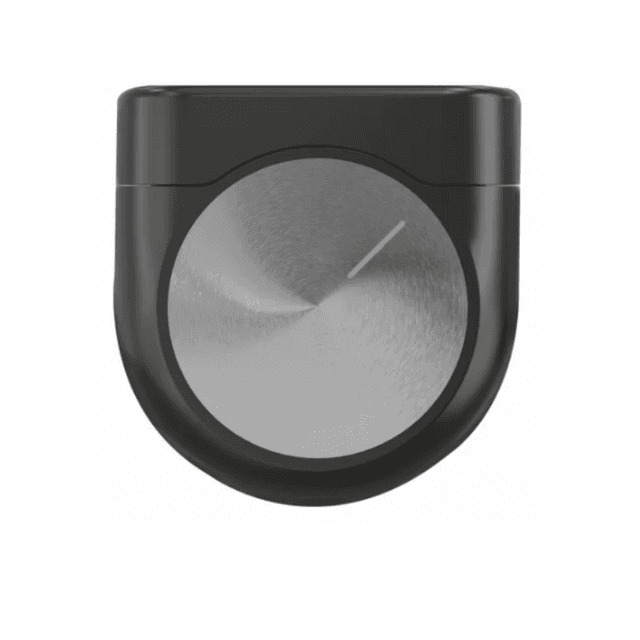

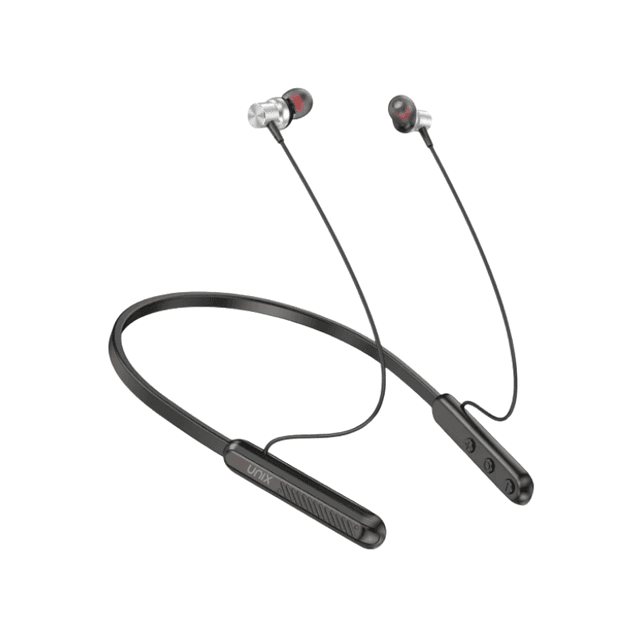
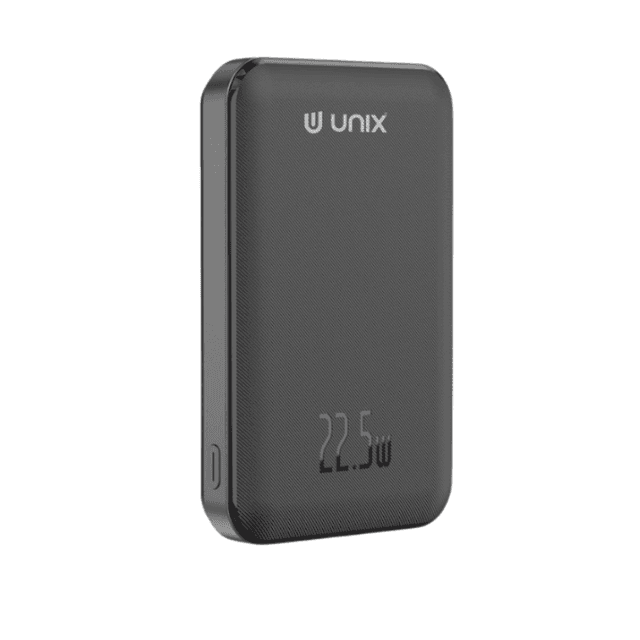
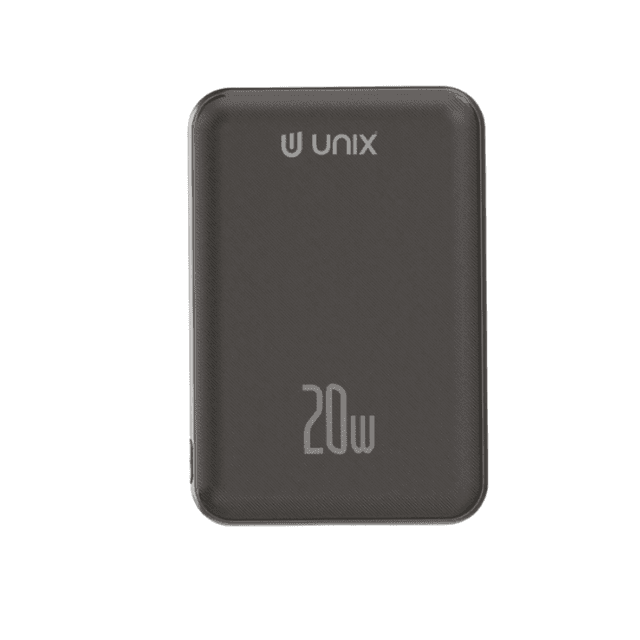
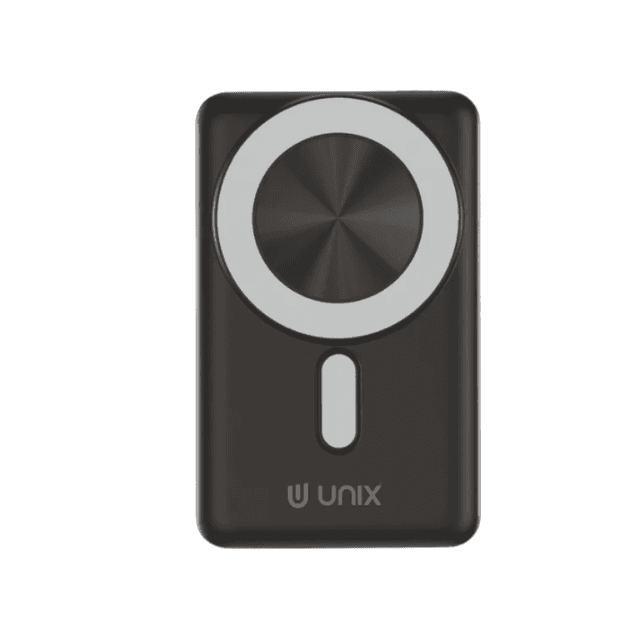
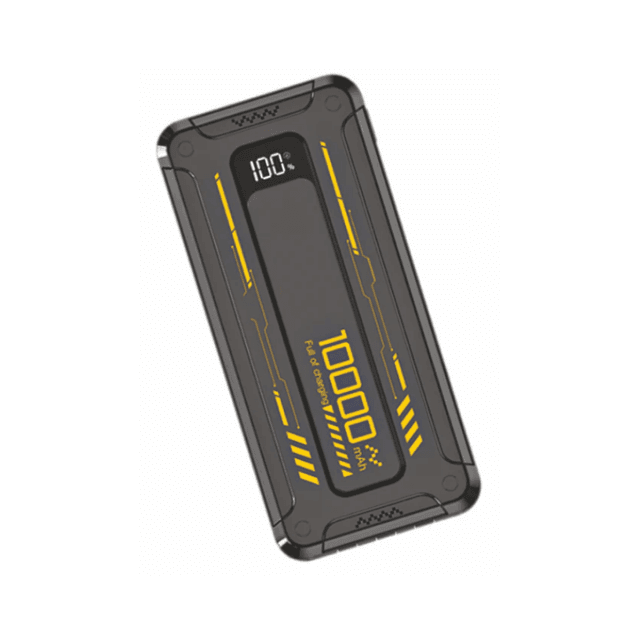
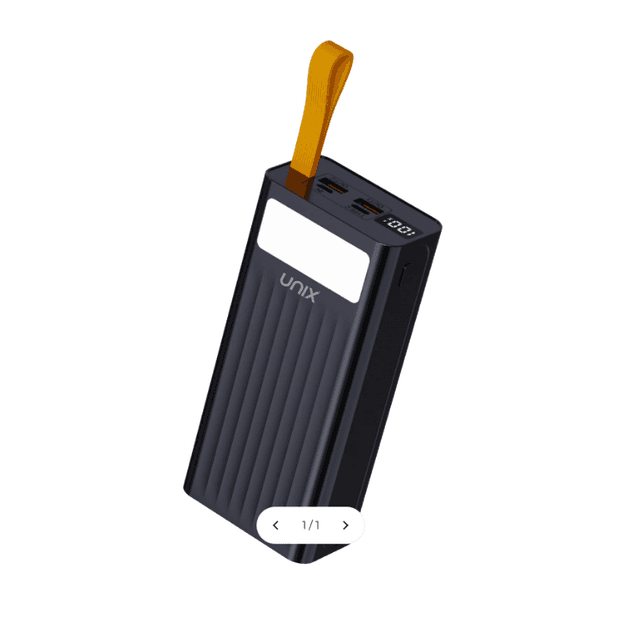
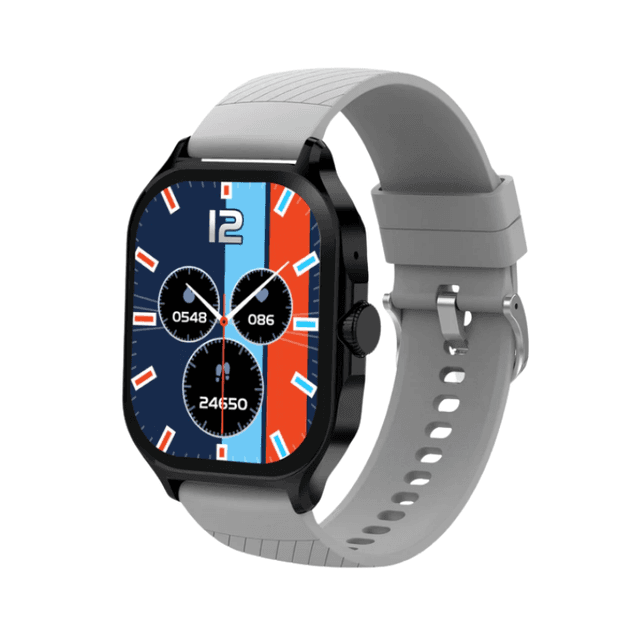






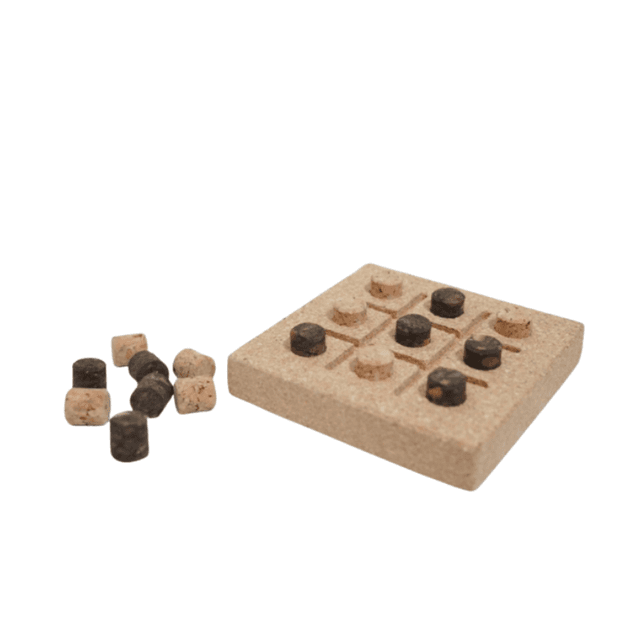
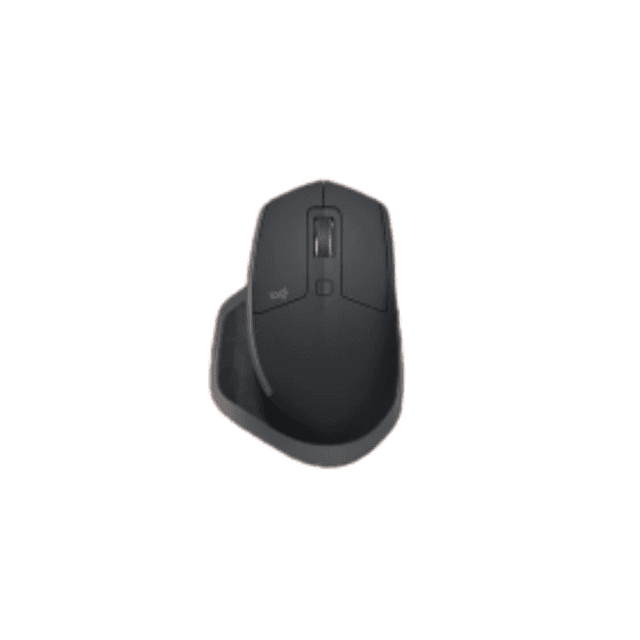

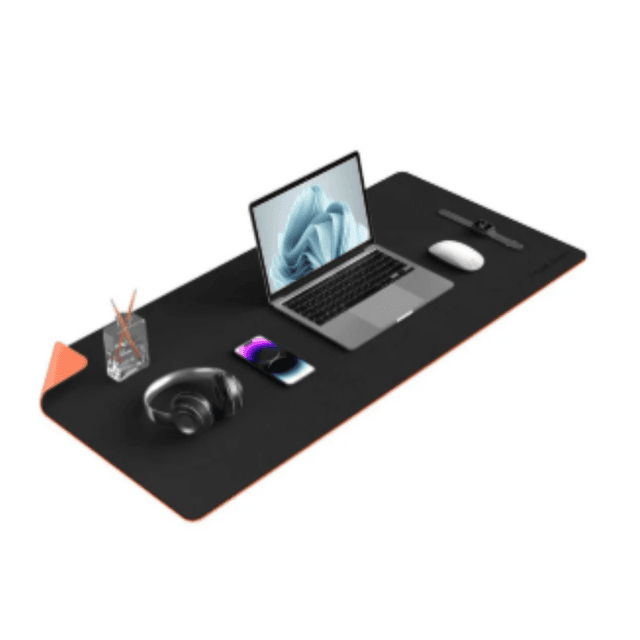
%2520-%2520TAN.png&w=640&q=75)

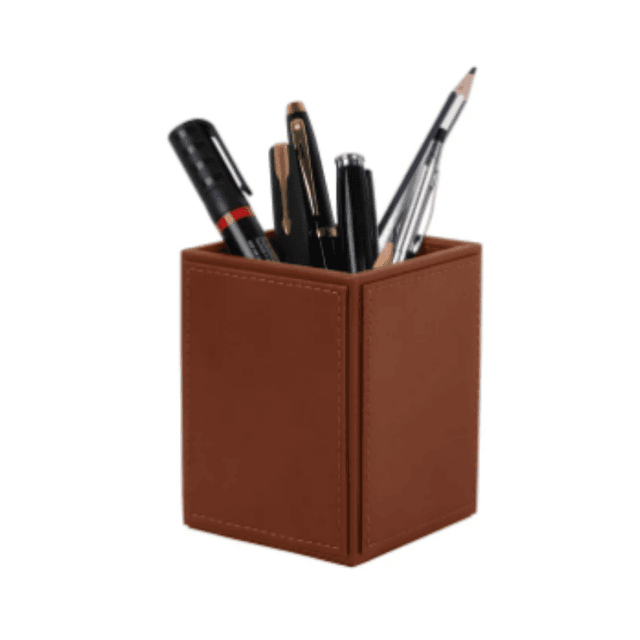
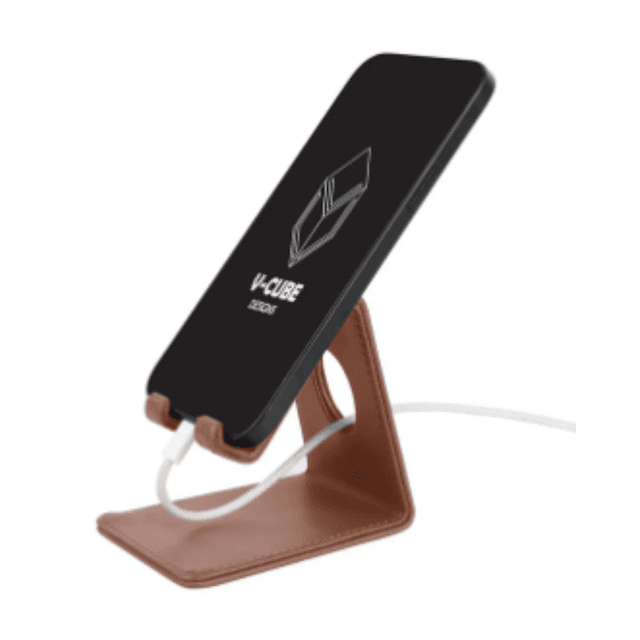
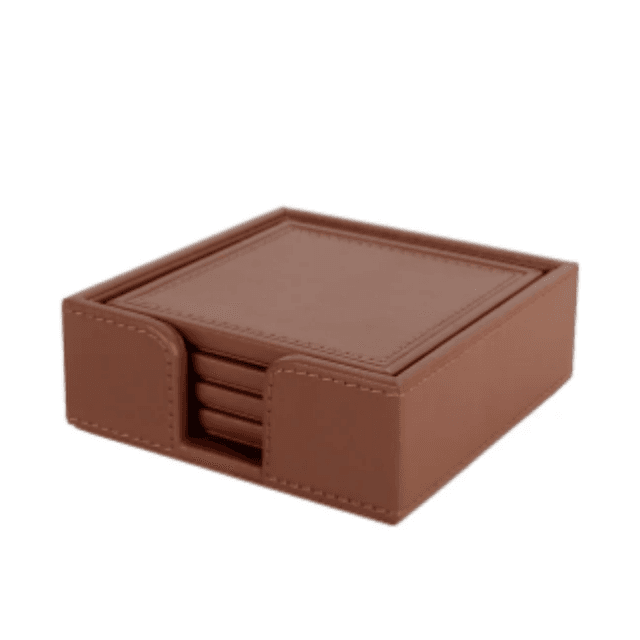
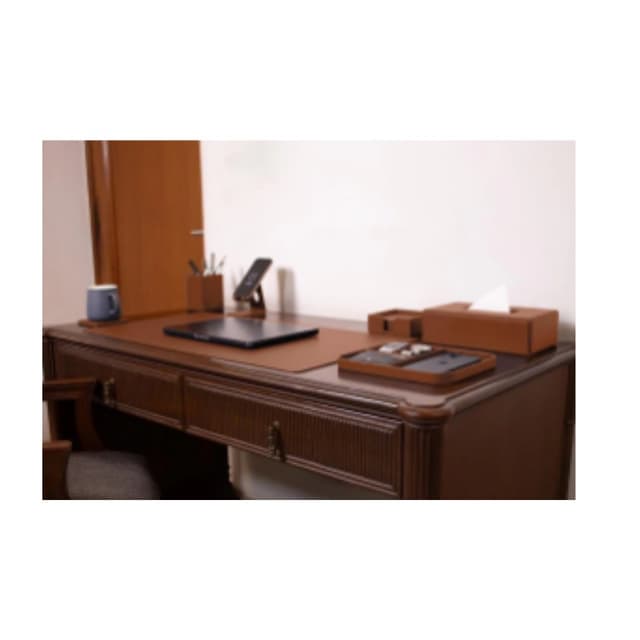
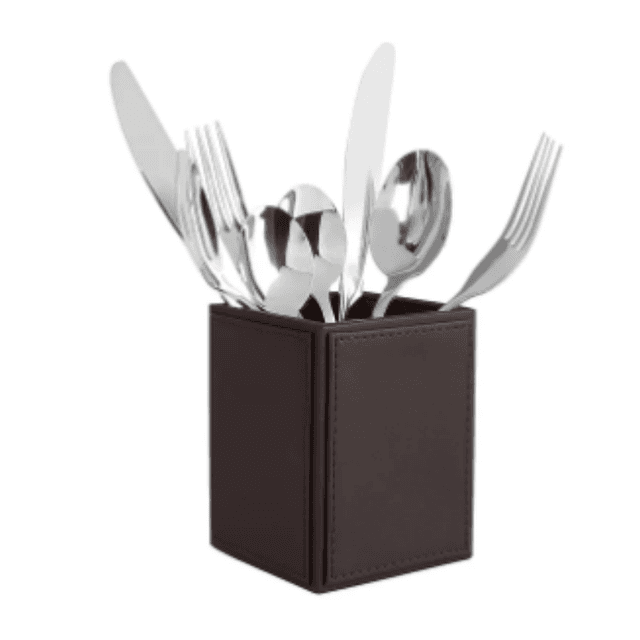
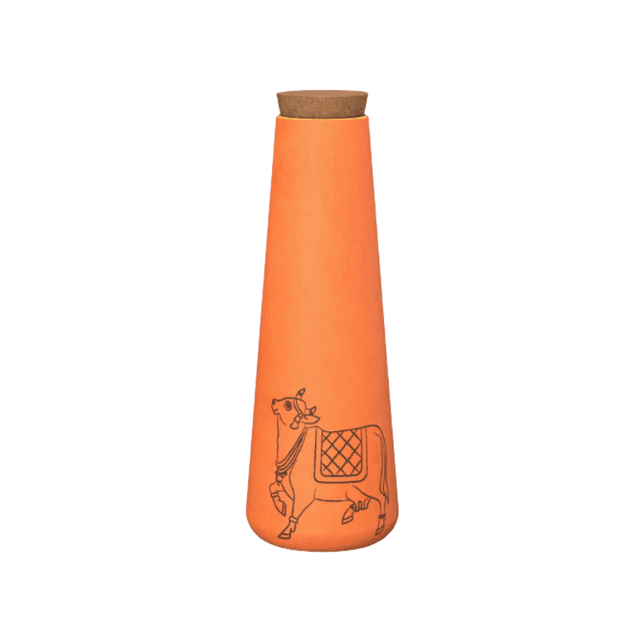

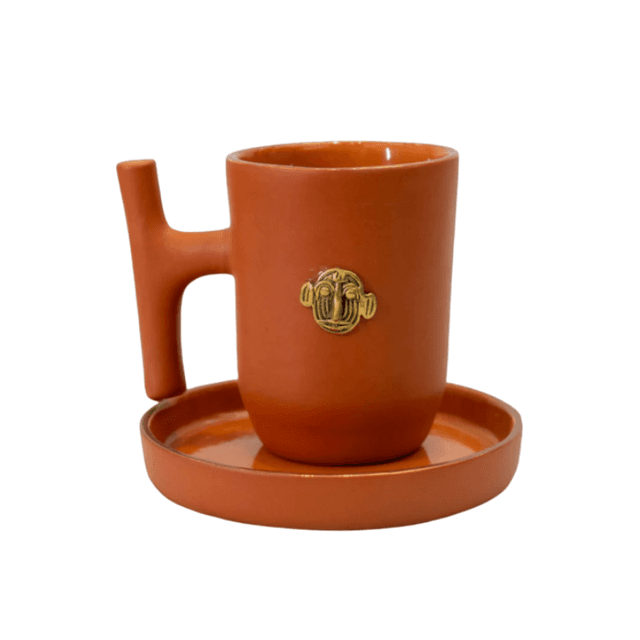
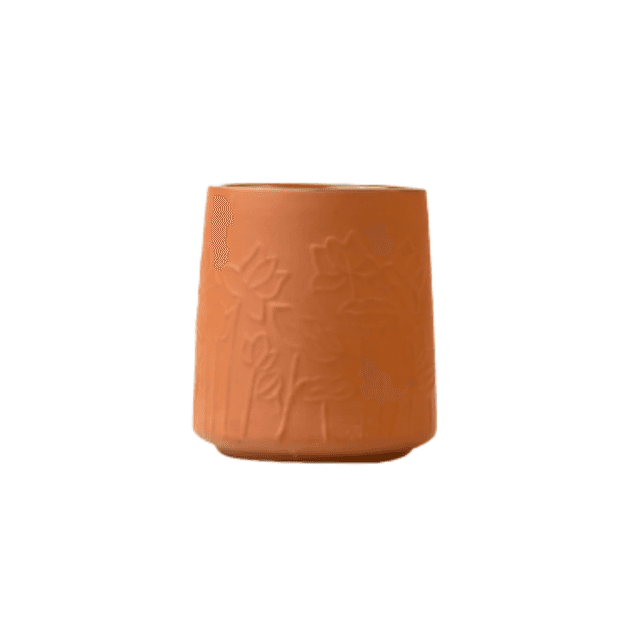


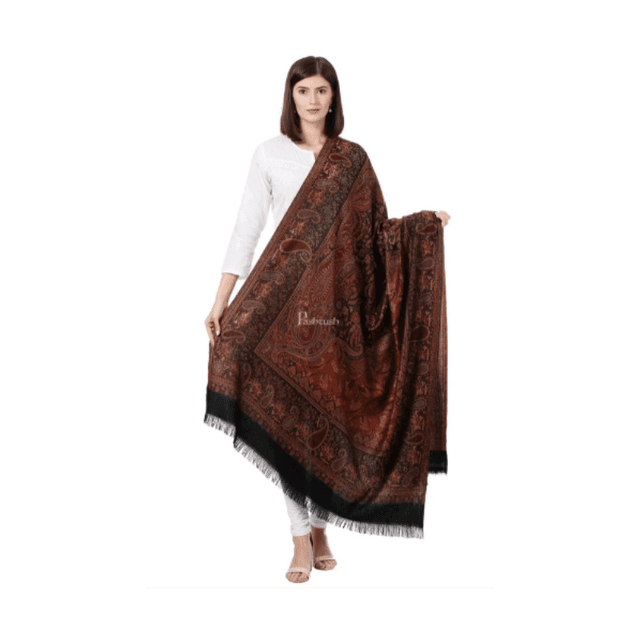
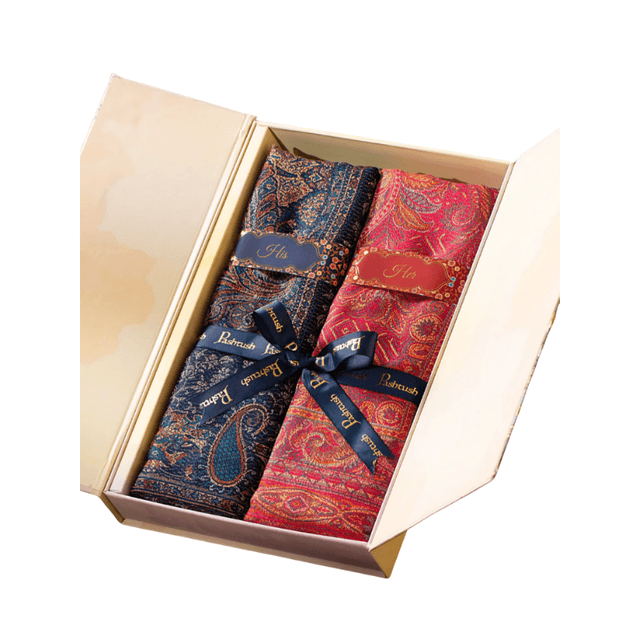

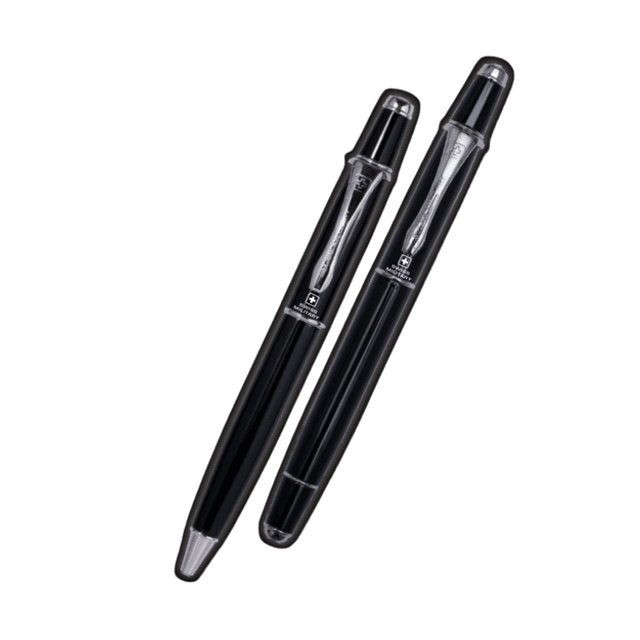
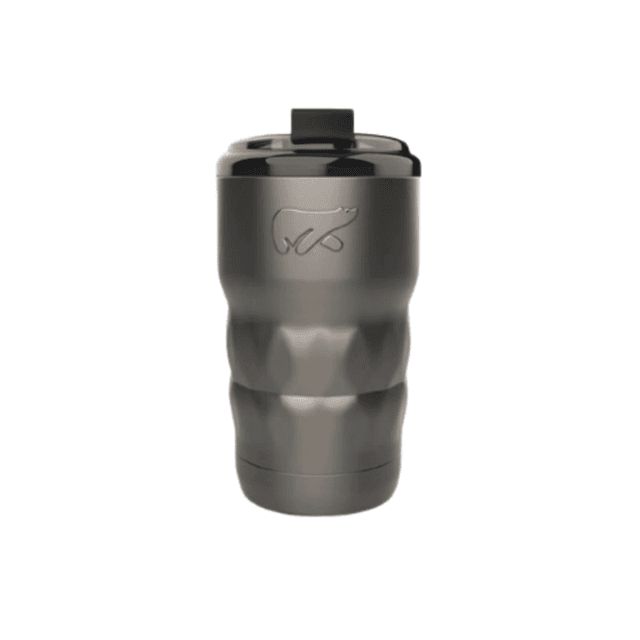
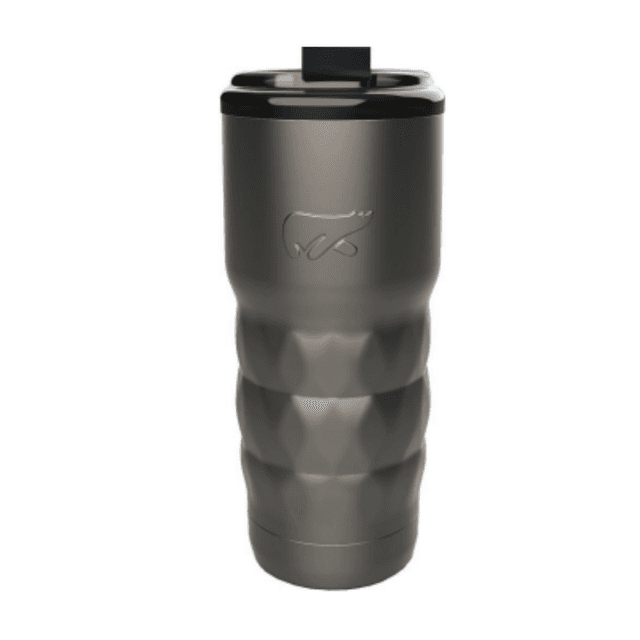



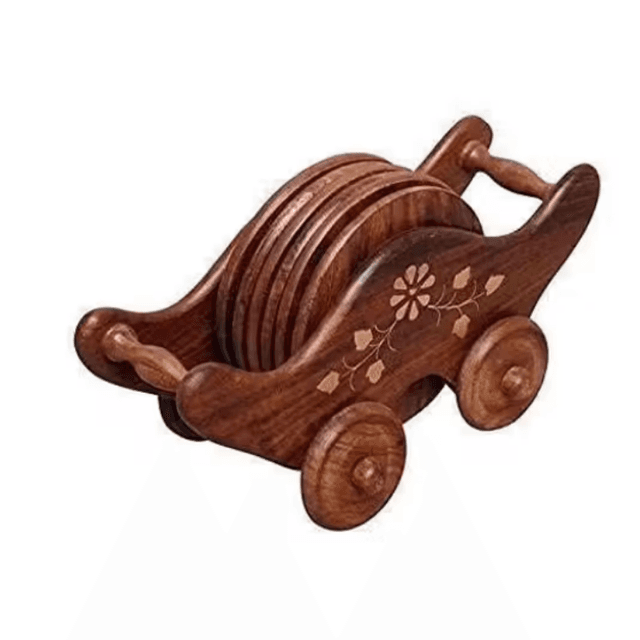
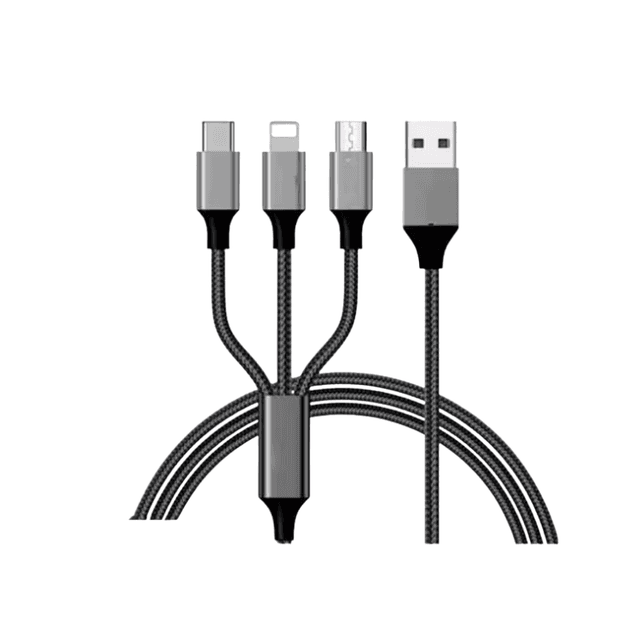
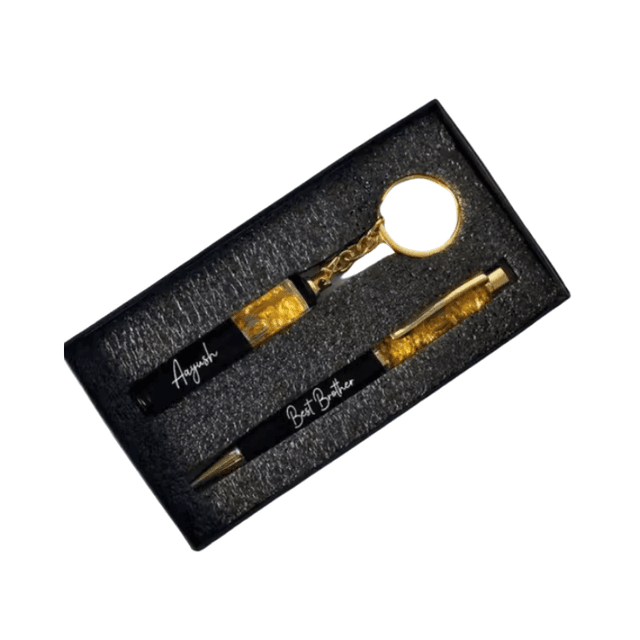
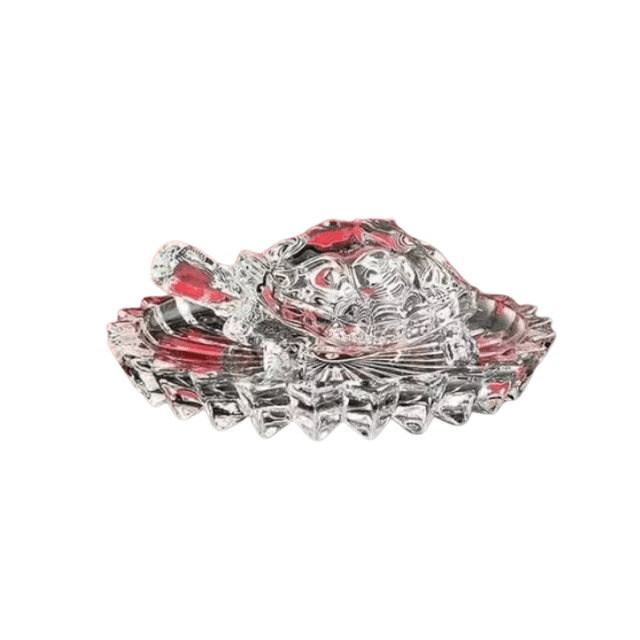
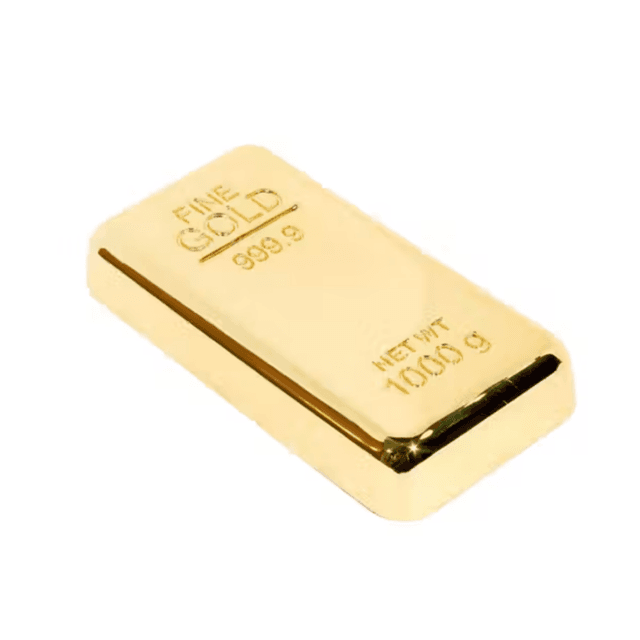
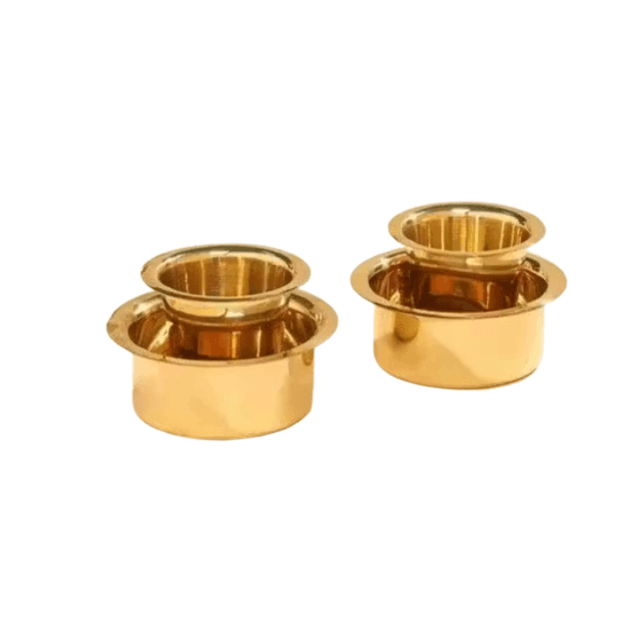
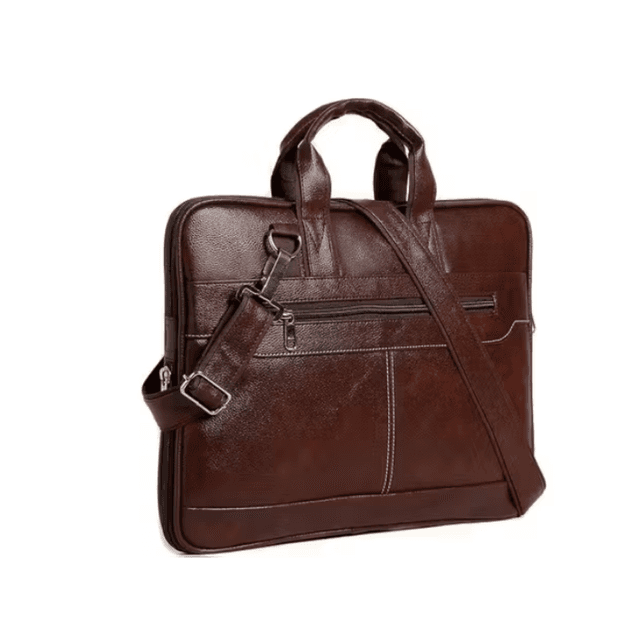


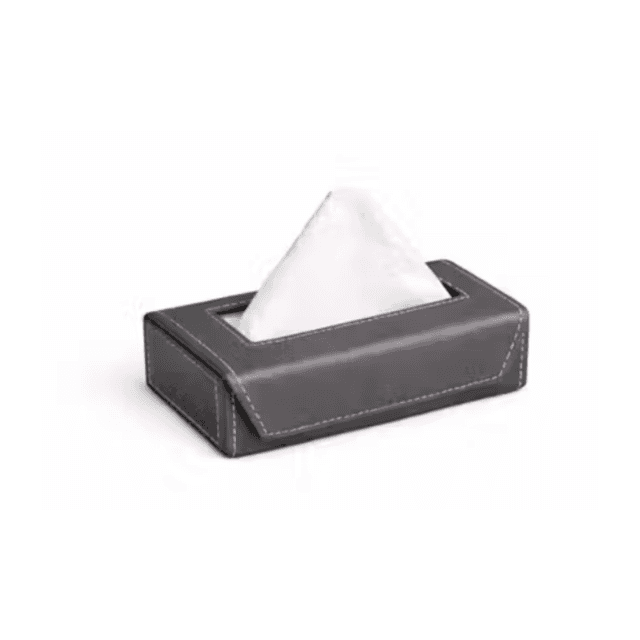


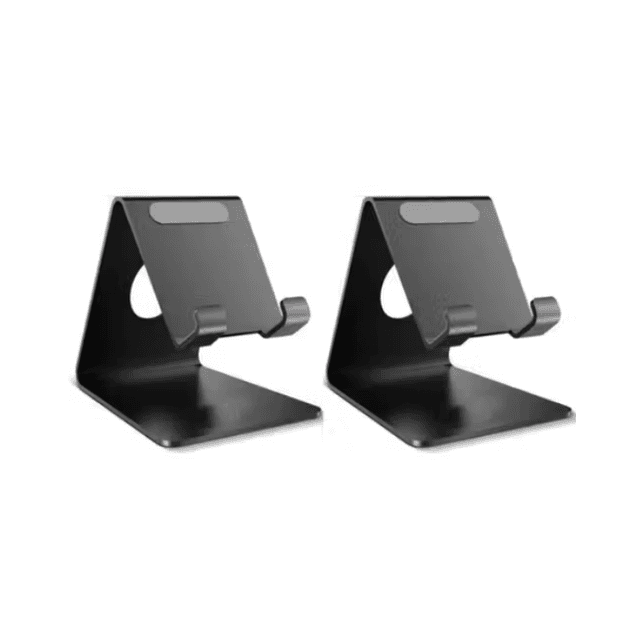
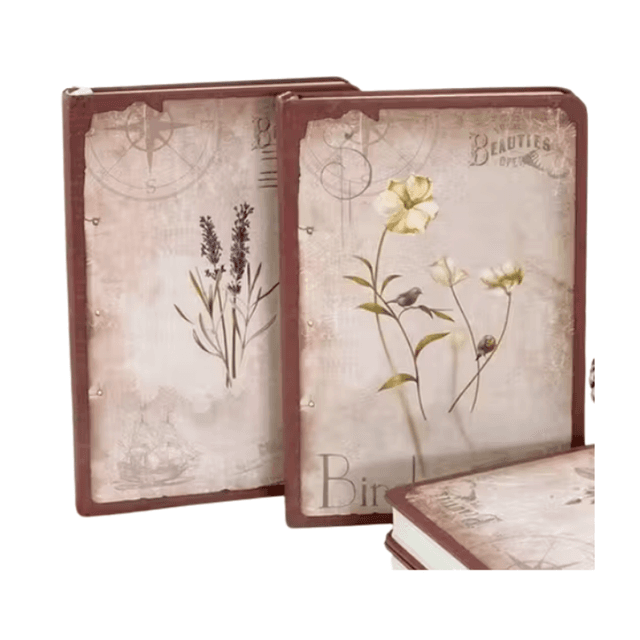
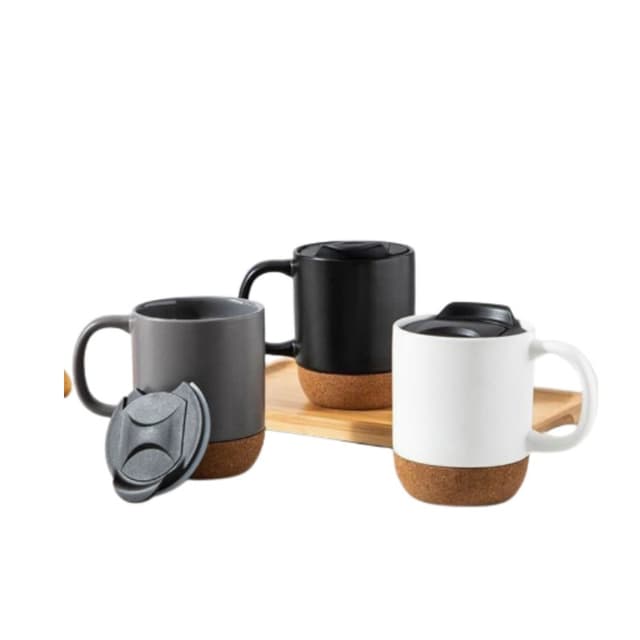
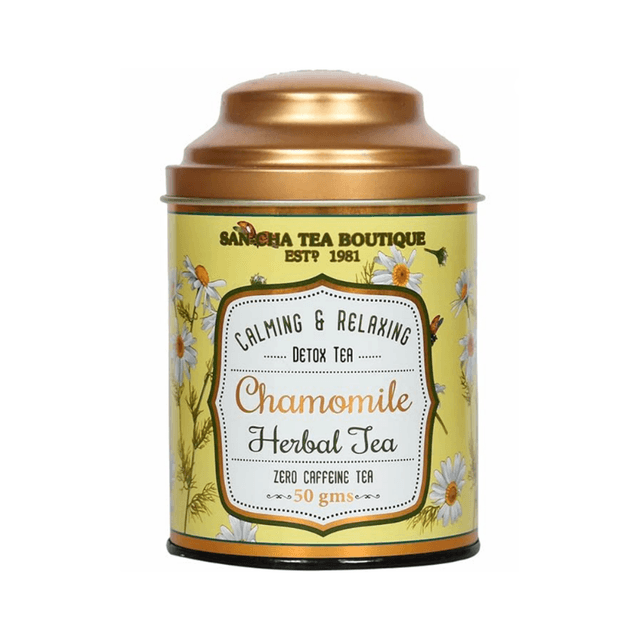
.jpeg&w=640&q=75)

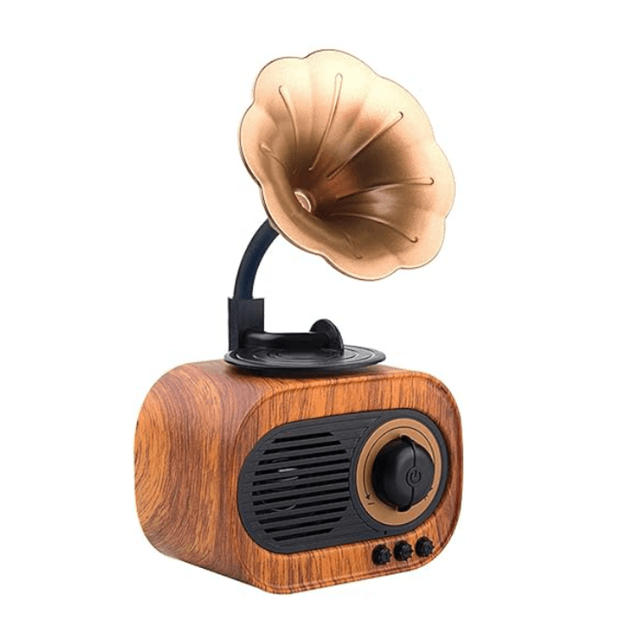
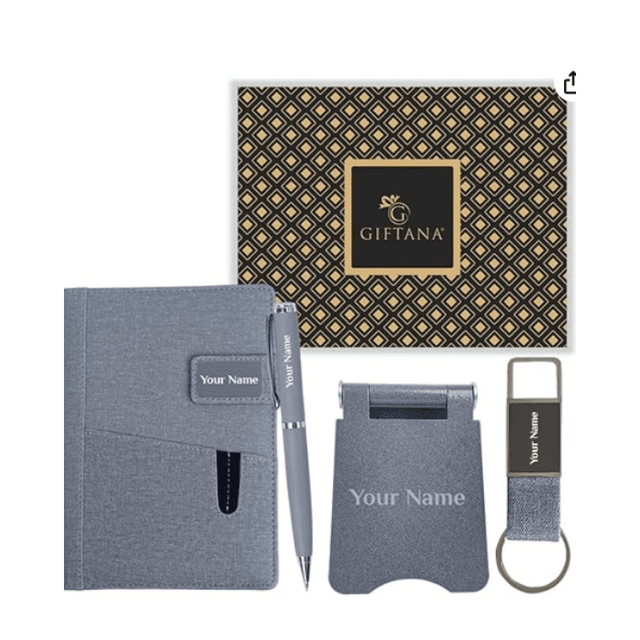
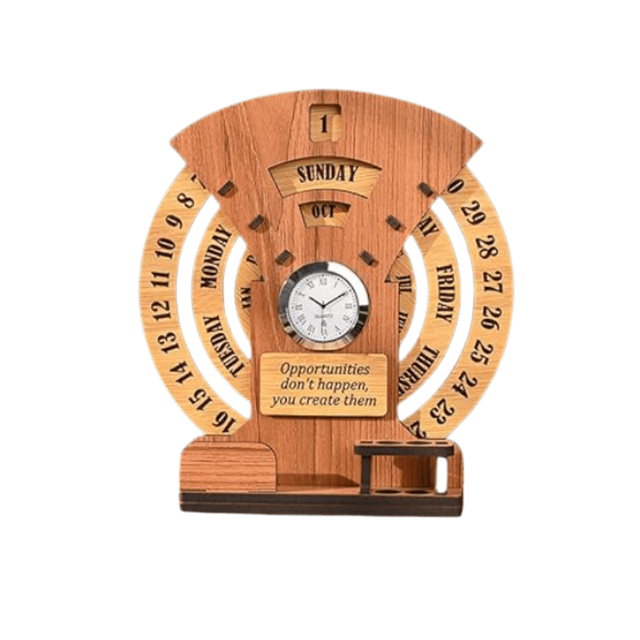
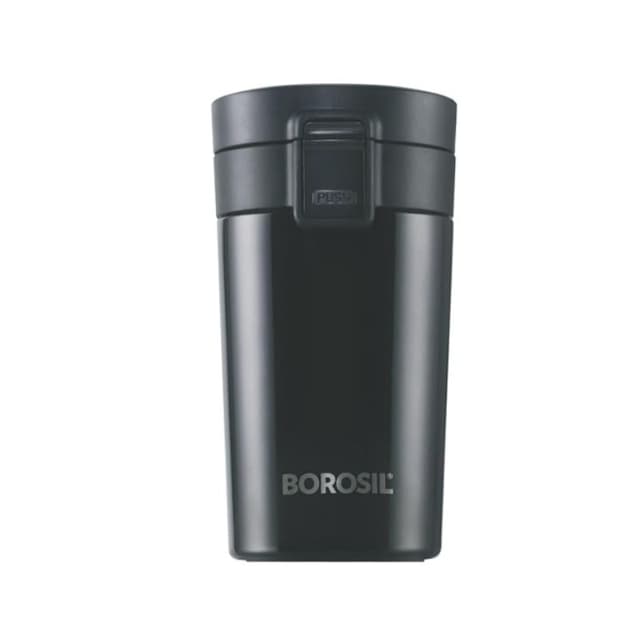
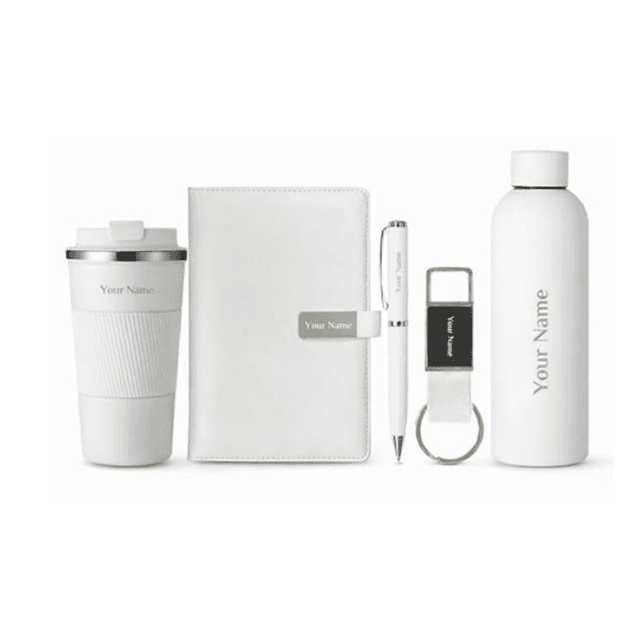
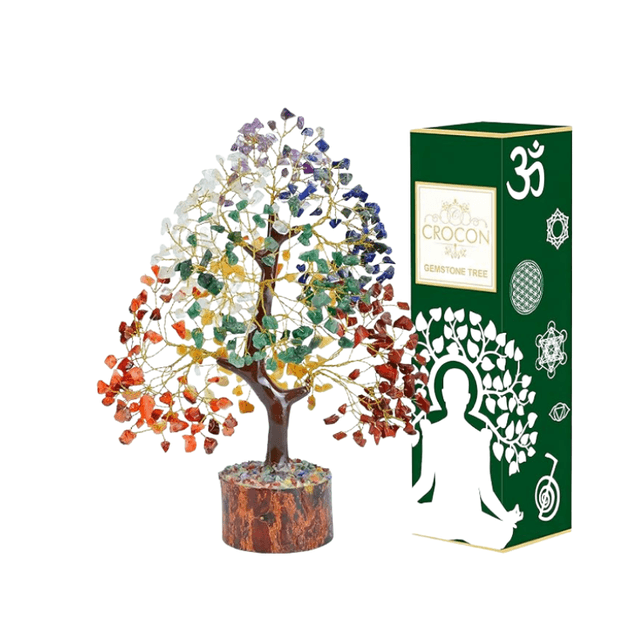
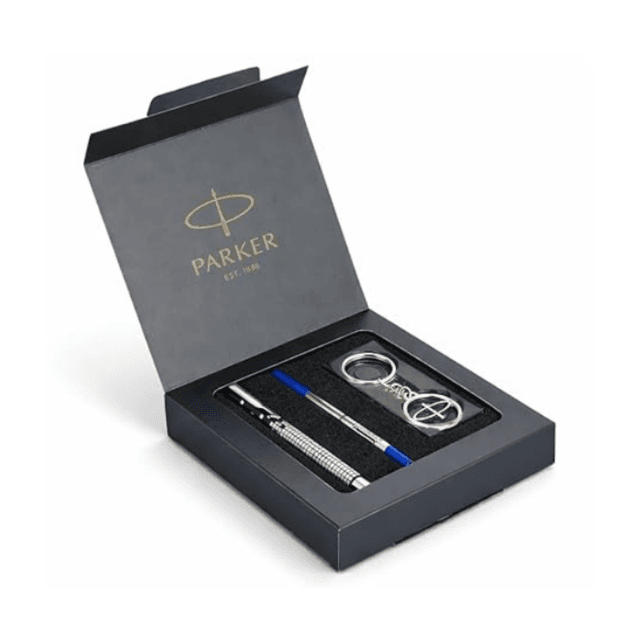
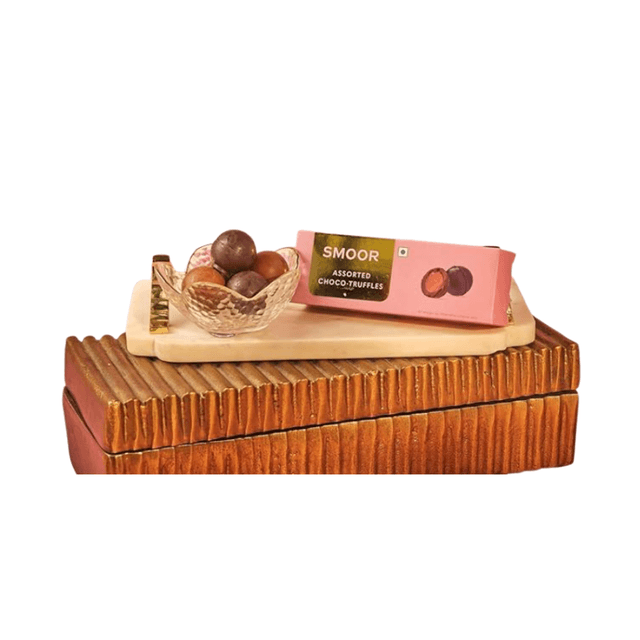

.png&w=640&q=75)
.png&w=640&q=75)


.png&w=640&q=75)




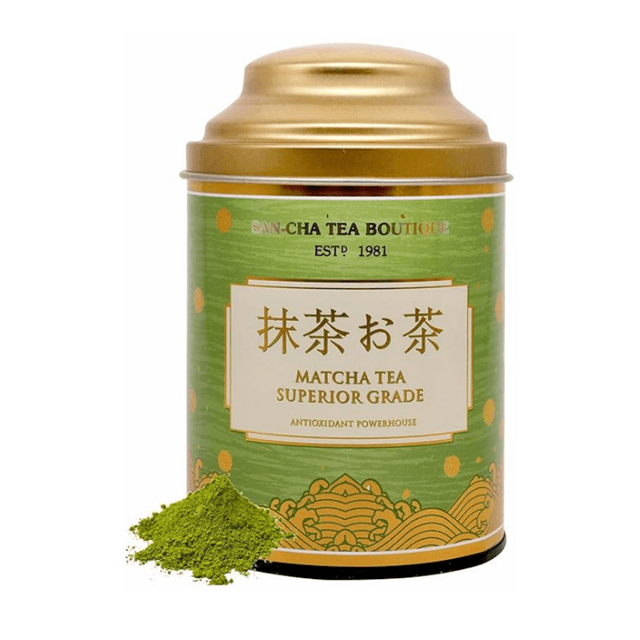
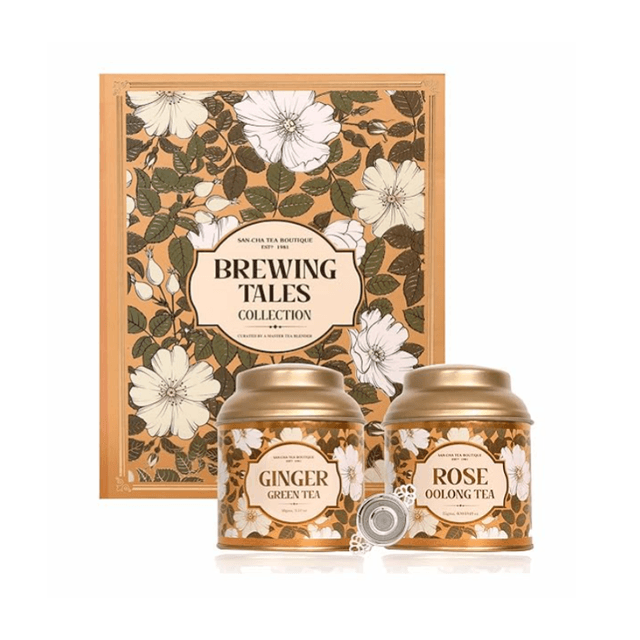
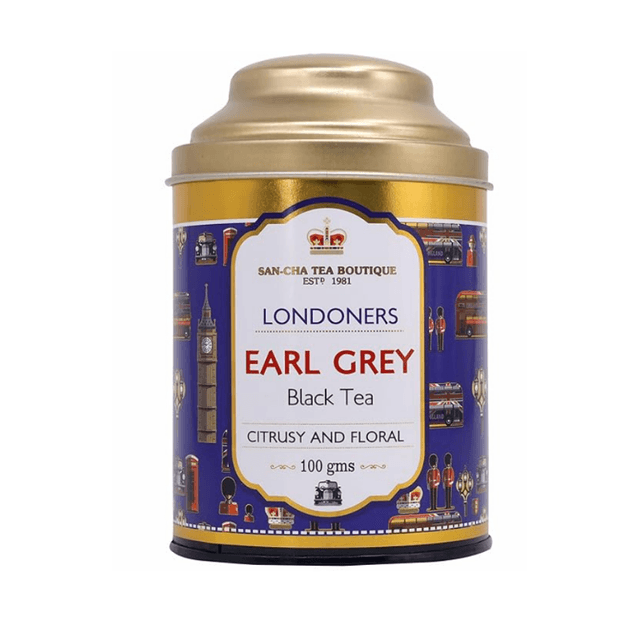
.jpeg&w=640&q=75)
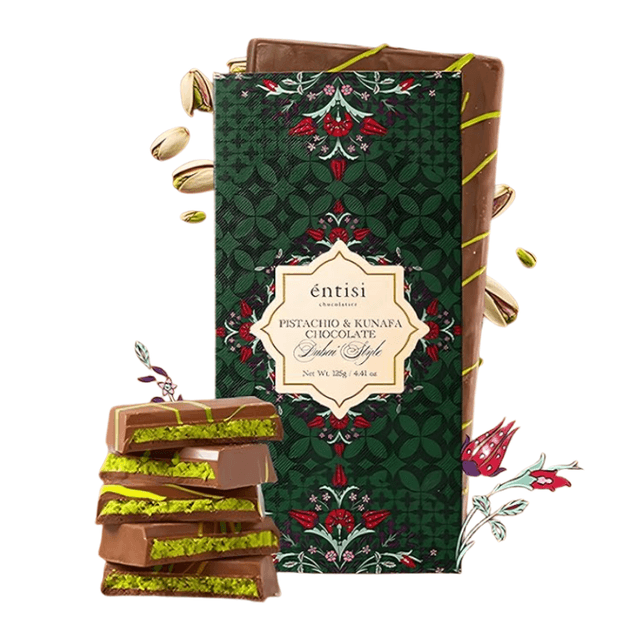


.png&w=640&q=75)


.png&w=640&q=75) Custom
Custom Custom
%2520and%25202%2520Dabra%2520%255BCups%2520and%2520Saucers%255D%2520set.png&w=640&q=75) Custom
Custom Custom
 Custom
 Custom
 Custom
 Custom
 Custom
 Custom
 Custom
 Custom
 Custom
 Custom
%2520(just%2520imported).jpeg&w=640&q=75) Custom
Custom Custom
 Custom
 Custom
 Custom
 Custom
 Custom
 Custom
 Custom
 Custom
 Custom
 Custom
 Custom
 Custom
 Custom
 Custom
 Custom
 Custom
 Custom
 Custom
 Custom
 Custom
 Custom
The most expensive corporate gift is the one whose GST treatment nobody thought about until the audit. A gift register and clean invoices cost nothing - skip them and the gift keeps giving, to the wrong side of the ledger.
MintBox Gifting TeamGift Well.
Invoice Properly.
Tell us your budget per recipient and your finance team's requirements - we will quote within 4 hours with itemised, GST-compliant invoicing on every order.
Tell us what you need and we'll send a detailed quote within 4 hours.
Quick Response · Usually under 5 min
Questions? We reply in minutes.
Chat directly with our gifting team on WhatsApp. No bots, no waiting, just real answers.
GST on Corporate Gifts - Frequently Asked Questions
Under Schedule I of the CGST Act, gifts from an employer to an employee are not treated as a supply if their total value is within ₹50,000 per employee per financial year. Beyond that threshold, the gifts can be treated as a supply. Separately, input tax credit on goods given as gifts is blocked under Section 17(5)(h). This is general information, not tax advice - confirm treatment with your chartered accountant.
Generally no. Section 17(5)(h) of the CGST Act blocks input tax credit on goods disposed of by way of gift - which covers typical Diwali gifts for clients and employees. Treat the GST paid on gift purchases as part of your gifting cost when planning budgets.
Gifts to clients do not get the employee-specific ₹50,000 Schedule I threshold. The practical impact is on credit: ITC on goods gifted to clients is blocked under Section 17(5)(h), so the GST you pay when purchasing client gifts is a non-recoverable cost. Keep invoices and a gift register for audit.
Generally yes for ITC purposes - free promotional giveaways are typically treated as gifts, so input tax credit is blocked even when the item carries your logo. CBIC Circular No. 92/11/2019-GST discusses how various promotional schemes are treated. If giveaways are a big part of your marketing, have a professional review the structure.
Yes. Every MintBox order ships with a GST-compliant invoice with your company GSTIN, itemised line items, and HSN details - the paperwork your finance team needs for its records and gift register. Quotes within 4 hours, MOQ 25 units.
No. This guide is general information, not tax advice - GST positions depend on your facts and can change. Confirm the treatment of your specific gifting programme with your chartered accountant before acting.